TL;DR:
- Durable signage maintains visual quality and safety standards over time, protecting brand reputation.
- Material choice and proper installation significantly impact signage longevity in various environments.
- Investing in quality signage reduces long-term costs and enhances safety and compliance.
Not all signs are created equal, and the difference between a durable sign and a cheap one can cost your business far more than the initial saving. Faded fascia signs, cracked acrylics, and peeling graphics send a clear message to customers: this business does not take itself seriously. Beyond first impressions, poorly constructed signage creates genuine safety risks, particularly on construction sites and in high-traffic commercial environments. This guide covers what makes signage truly durable, how longevity affects your brand and safety obligations, and what practical steps you can take to make better signage decisions from the outset.
Table of Contents
- What makes signage durable?
- How durable signage drives brand visibility
- Durable signage for safety and compliance
- Practical steps: Choosing and maintaining durable signage
- A fresh perspective on durable signage: Beyond the obvious
- Find your next durable signage solution
- Frequently asked questions
Key Takeaways
| Point | Details |
|---|---|
| Durable signage protects your reputation | Quality signs signal professionalism and build lasting trust with customers. |
| Safety relies on robust signage | Permanent, clear signs reduce accidents and help meet compliance standards. |
| Choosing the right materials is crucial | Material and design decisions directly affect how long signs remain effective and visible. |
| Maintenance maximises signage lifespan | Regular checks and care keep signs looking sharp and performing well for years. |
| Expert guidance prevents costly mistakes | Consulting an expert helps avoid common pitfalls and ensures the best signage solution for your needs. |
What makes signage durable?
Durability in signage is not simply about how long a sign physically survives. It refers to how well a sign maintains its structural integrity, legibility, and visual quality over time, across varying weather conditions, UV exposure, and day-to-day wear. A sign that fades within 18 months or warps after a wet winter has failed, regardless of how good it looked on day one.
Material choice is the single biggest factor in signage durability. Choosing signage materials carefully enhances both sign longevity and visibility, and the options available to UK businesses span a wide range of performance levels and price points.
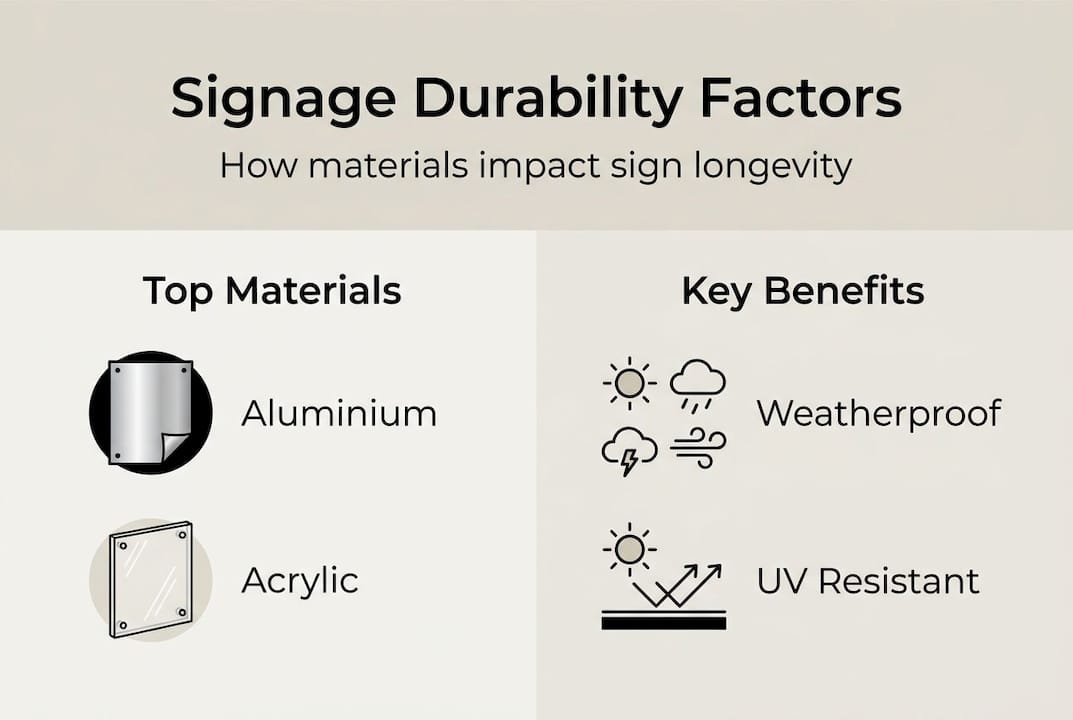
Here is a quick comparison of the most common materials:
| Material | Weather resistance | UV resistance | Typical lifespan |
|---|---|---|---|
| Aluminium | Excellent | Good | 10+ years |
| Acrylic | Good | Excellent | 5 to 10 years |
| Composite (e.g. Dibond) | Excellent | Good | 8 to 12 years |
| Timber | Moderate | Poor | 3 to 7 years |
| PVC foam board | Moderate | Moderate | 2 to 5 years |
Beyond the base material, durability also depends on the print or finish applied. UV-resistant laminates, powder-coated metals, and digitally printed graphics sealed with protective overlays all extend the working life of a sign considerably.
Key factors that affect how long your signage lasts include:
- Exposure to direct sunlight and UV radiation, which degrades colour and weakens certain plastics
- Rainfall, wind, and frost, which affect fixings, substrates, and surface finishes
- Vandal resistance, which matters for ground-level signs in public-facing locations
- Installation quality, since even the best material fails if it is poorly mounted
- Maintenance frequency, as regular cleaning and inspection extend lifespan significantly
For businesses designing site signage for outdoor environments, specifying the right material from the start avoids costly replacements down the line.
Pro Tip: Match your material choice to the specific exposure of your location. A coastal site faces salt air and high winds, which demands marine-grade aluminium or composite panels. A sheltered indoor retail environment can use lighter acrylics without compromise.
How durable signage drives brand visibility
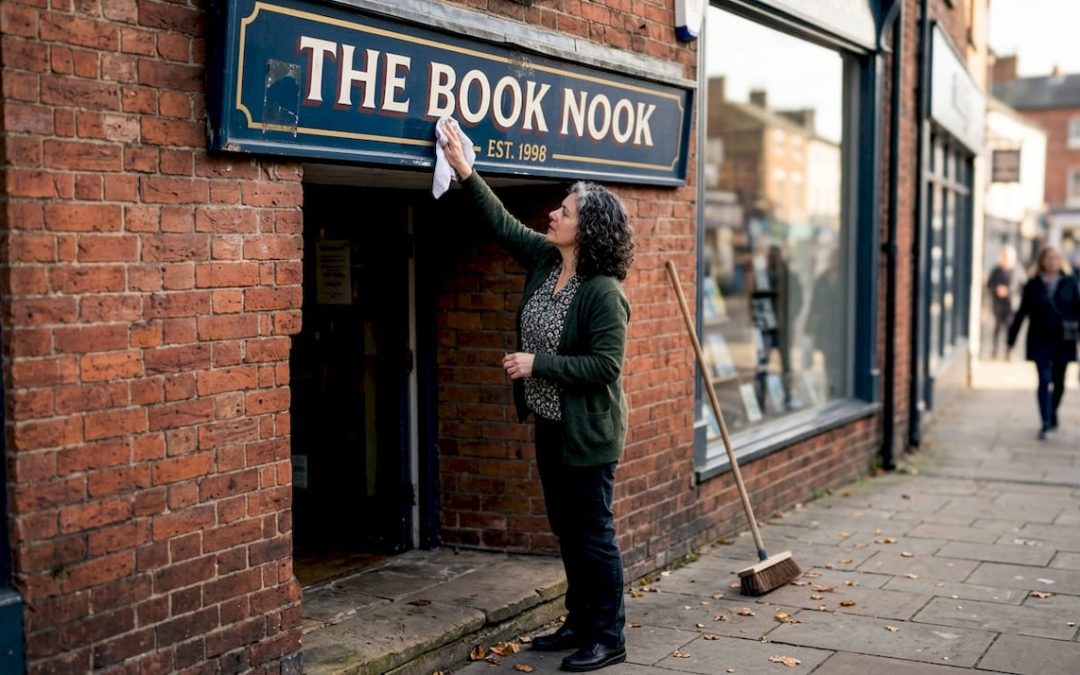
Your signage is often the first physical interaction a customer has with your brand. A clean, well-maintained sign communicates professionalism and reliability before a single word is spoken. A damaged or faded sign does the opposite, and the effect on customer perception is measurable.
Long-lasting signage enhances brand trust and visibility, and this is not simply a matter of aesthetics. Customers associate the condition of your signage with the quality of your products or services. If your sign looks neglected, they reasonably assume your business might be too.
Here is how sign condition affects customer behaviour:
| Sign condition | Customer perception | Likely outcome |
|---|---|---|
| Clean, vibrant, well-lit | Professional and trustworthy | Higher footfall and dwell time |
| Faded but intact | Established but dated | Neutral to slightly negative |
| Cracked or peeling | Poorly managed | Reduced confidence, lower footfall |
| Damaged or missing elements | Neglected or closed | Customers may not enter |
Brand consistency is another critical factor. When your signage maintains its colour accuracy, font clarity, and structural appearance over years rather than months, it reinforces your brand identity consistently across every customer touchpoint. Durable signs support that consistency without requiring frequent and expensive replacements.
The visibility improvements you gain from investing in durable solutions include:
- Sustained colour vibrancy, which keeps your brand recognisable at distance
- Structural integrity, which ensures signs remain level, secure, and fully visible
- Illumination reliability, where LED-lit or backlit signs continue to perform without degradation
- Legibility over time, as high-quality print finishes resist fading and surface damage
- Reduced downtime, since fewer repairs mean your signage is always working for you
The relationship between branding and safety is closer than many businesses realise. A sign that falls, fades, or fails is not just a branding problem. It is also a liability. Investing in quality shop sign design from the outset protects both your image and your customers.
Durable signage for safety and compliance
Beyond branding, safety and legal demands make durability essential, particularly in construction, retail, and commercial environments where signage carries a regulatory function.
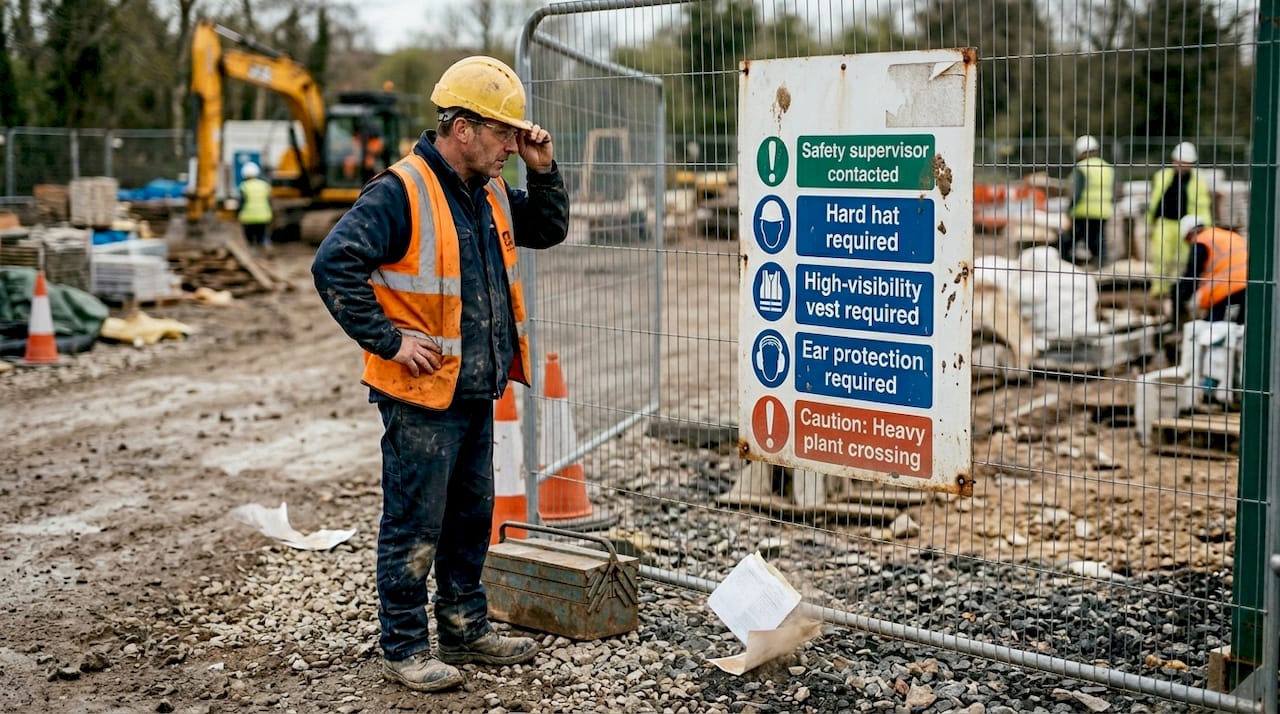
In the UK, health and safety legislation requires that signage used to communicate hazards, directions, and restrictions must remain clearly legible and properly maintained. A sign that has faded beyond readability or been physically damaged is not simply an eyesore. It is a compliance failure. Durable signage reduces accidents and improves compliance across site environments.
Here are the key reasons durability is a safety and compliance requirement:
- Hazard communication depends on clarity. Warning signs that fade or crack stop communicating their message effectively, increasing the risk of accidents on site.
- Regulatory inspections check sign condition. Health and Safety Executive inspections assess whether signage meets the required standards, including legibility and physical condition.
- Temporary signs create ongoing risk. Sites that rely on short-term or low-quality signage face repeated replacement costs and periods where compliance gaps exist.
- Fixing failures cause injury. Signs mounted with inadequate fixings can fall, posing a direct physical risk to workers and members of the public.
- Compliance documentation may require sign specifications. Some contracts and planning conditions specify the type and durability of signage required.
“Robust, well-maintained signage is not optional on a construction site. It is a legal obligation and a practical safeguard for everyone on and around the site.”
For businesses managing construction signage compliance, the cost of getting it wrong extends well beyond a fine. Accidents, litigation, and reputational damage all follow from inadequate signage. Familiarising yourself with signage terminology is a useful starting point for specifying the right products.
Pro Tip: Specify your signage requirements at the project planning stage, not as an afterthought. Early specification allows you to select compliant, durable materials and factor installation into the project timeline, avoiding rushed decisions that compromise safety.
Practical steps: Choosing and maintaining durable signage
Finally, durability becomes actionable with the right selection and care strategies. Knowing which materials perform best is only part of the picture. How you specify, install, and maintain your signage determines whether it delivers its full lifespan.
Proper design and material selection keep signage effective over time, and the decisions made at the specification stage have the greatest long-term impact.
When selecting signage, work through these key considerations:
- Location and exposure: Is the sign internal or external? Coastal, urban, or rural? High-traffic or sheltered?
- Regulatory requirements: Does the sign need to meet specific safety or planning standards?
- Brand requirements: What colour accuracy, finish, and illumination does your brand identity require?
- Budget vs. lifecycle cost: A cheaper sign replaced every two years costs more than a quality sign lasting ten.
- Installation method: Will the sign be wall-mounted, freestanding, suspended, or vehicle-applied?
For ongoing maintenance, a structured routine protects your investment:
- Clean signs regularly with appropriate, non-abrasive products to remove dirt and grime
- Inspect fixings and mountings every six months for signs of corrosion or loosening
- Check illuminated signs for failed LEDs or moisture ingress after periods of heavy rain
- Repaint or re-laminate surfaces showing early signs of wear before damage becomes severe
- Keep records of installation dates and material specifications for future reference
Common mistakes businesses make with signage durability include:
- Choosing materials based solely on upfront cost rather than lifecycle value
- Skipping professional installation to save money, then facing early failure
- Ignoring minor damage until it becomes a full replacement job
- Failing to account for local weather conditions when specifying materials
For a thorough overview of options, the construction signage guide covers the full range of sign types relevant to UK sites. If you are managing a larger project, specifying signage early in the process saves both time and money.
Pro Tip: Consider a maintenance contract with your signage supplier. Regular professional inspections catch problems early and extend the working life of your signs, often at a fraction of the cost of emergency repairs or full replacements.
A fresh perspective on durable signage: Beyond the obvious
Most businesses think about signage durability only when something goes wrong. A sign falls, fades, or fails an inspection, and suddenly the budget appears. This reactive approach costs significantly more than a planned, proactive strategy.
What we see repeatedly at Pik Pik POW! is that the businesses which invest in quality signage from the outset spend less over a five-year period than those who replace cheap signs every 18 to 24 months. The maths is straightforward, but the mindset shift is harder.
There is also a missed opportunity in the branding and safety perspective. Durable signage is not just a cost to manage. It is a long-term brand asset. A well-specified sign that remains sharp and vibrant for a decade is working for your business every single day. That is genuine return on investment, not just a line item on a maintenance budget.
The businesses that understand this plan their signage the same way they plan any other capital asset. They specify carefully, install properly, and maintain consistently. The result is signage that performs, protects, and promotes without interruption.
Find your next durable signage solution
If this guide has highlighted gaps in your current signage approach, you are not alone. Many UK businesses are working with signage that is underperforming, non-compliant, or simply not built to last.
At Pik Pik POW!, we design and manufacture bespoke signage built for durability across retail, construction, and commercial environments. Whether you need robust signage systems for a commercial fit-out, digital signage solutions that maintain impact over time, or wayfinding signage that keeps your space safe and navigable, our team is ready to help. Get in touch today to discuss your requirements and receive expert guidance tailored to your project.
Frequently asked questions
Which materials are best for long-lasting signs in UK weather?
Aluminium, acrylic, and composite materials offer excellent durability against rain, wind, and UV, making them the most reliable choices for UK outdoor environments. Each suits different budgets and exposure levels, so material selection should always reflect your specific site conditions.
How does durable signage improve safety on construction sites?
Robust signage stays clear and visible throughout a project’s duration, reducing confusion and accidents while ensuring compliance with health and safety regulations. Signs that degrade quickly create compliance gaps that increase both accident risk and legal exposure.
What is the expected lifespan of quality commercial signage?
Quality signs made from premium materials can last five years or more with proper maintenance, and many aluminium or composite signs exceed ten years in sheltered locations. Lifespan depends heavily on material specification, installation quality, and how consistently the sign is maintained.
What is the main difference between internal and external durable signage?
External signs must withstand weather, UV exposure, and vandalism, requiring greater structural resilience and protective finishes. Internal signs focus more on maintaining brand aesthetic and legibility over time, with less emphasis on environmental resistance.