
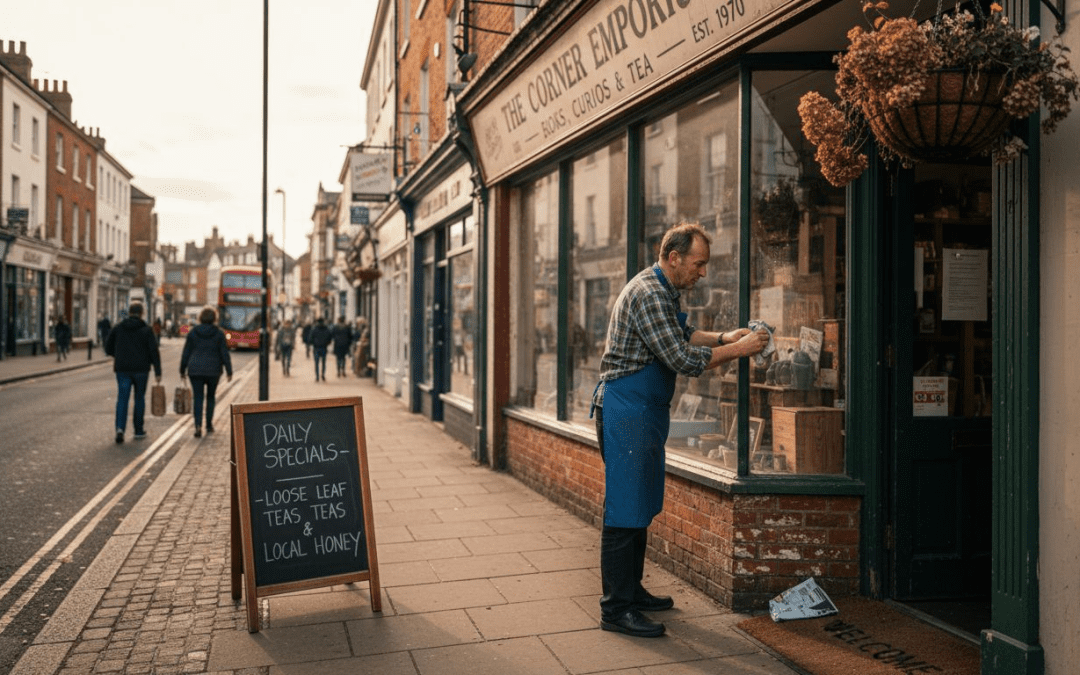
Standing out on a busy high street or inside a crowded shopping centre can be tough. If your retail space lacks clear, attractive signage, customers may walk past or feel lost inside your shop. Every missed glance or moment of confusion is a lost opportunity for engagement and sales.
The right shop and retail signage does more than decorate your premises. Thoughtful signage creates a lasting first impression, guides visitors with ease, and uses every space to communicate your brand identity. Well-designed signs not only attract new customers but also make shopping simpler and more enjoyable.
Get ready to discover clear, actionable strategies that will help you turn signs into silent salespeople. These insights will show you how to combine style, function, and branding for maximum impact throughout your retail environment.
Table of Contents
- 1. Shopfront Signage: Making A Lasting First Impression
- 2. Wayfinding Signs: Guiding Customers With Ease
- 3. Window Graphics: Creating Eye-Catching Displays
- 4. Interior Branding: Enhancing In-Store Experience
- 5. Promotional Signage: Driving Sales Opportunities
- 6. Vehicle Graphics: Expanding Brand Reach Beyond The Store
Quick Summary
| Key Message | Explanation |
|---|---|
| 1. Invest in Professional Shopfront Signage | Well-designed signage communicates brand quality and attracts foot traffic, influencing customers’ first impressions. |
| 2. Implement Effective Wayfinding Signs | Clarity in wayfinding directs customers smoothly through your store, enhancing their shopping experience and reducing frustration. |
| 3. Utilize Eye-Catching Window Graphics | Compelling window displays should communicate promotions and brand identity, capturing pedestrian attention and converting interest into sales. |
| 4. Prioritize Consistent Interior Branding | A cohesive in-store environment using signages, colours, and materials reinforces brand identity and fosters customer loyalty. |
| 5. Leverage Vehicle Graphics for Advertising | Vehicle graphics serve as mobile billboards, expanding brand reach beyond your location while maintaining visibility and recognition. |
1. Shopfront Signage: Making a Lasting First Impression
Your shopfront signage is the first thing potential customers see. Within seconds, it shapes their perception of your brand, your shop’s quality, and whether they’ll step inside.
Shopfront signage comprises multiple elements that work together. The fascia, entrance design, window displays, and illumination all contribute to creating an inviting space. Each component must align with your brand identity and the surrounding architecture to be truly effective.
First impressions happen fast. Studies show customers make snap judgements about a business within the first few seconds of seeing it. Poor signage suggests poor standards. Well-designed signage signals professionalism and care.
Your shopfront is your 24/7 marketing representative, working constantly to attract foot traffic and build brand credibility.
Why shopfront signage matters for retail success:
- Attracts foot traffic by standing out on busy high streets
- Communicates your brand values and business type instantly
- Increases visibility from distance, making your shop easier to find
- Creates a memorable first impression that influences purchasing decisions
- Works as continuous advertising, even when your shop is closed
- Enhances the overall appearance of your retail space
The design and planning of your shopfront requires careful consideration. Local councils often have planning requirements you must follow. Many areas have specific guidelines about sign size, materials, colours, and lighting to maintain streetscape consistency.
Key elements to address in your shopfront signage include clear business naming, legible typography at street level, appropriate lighting for evening visibility, and cohesive colour schemes that reflect your brand. Window space should be considered carefully, as it serves both as signage and product showcase.
Consider your shopfront’s architectural context too. A historic building requires different design sensitivity than a modern shopping centre. Signage that respects the building’s existing features whilst standing out creates visual impact without clashing.
Materials matter significantly. Quality materials withstand weather, maintain appearance longer, and reinforce your brand’s professionalism. Cheap, fading signage damages your reputation daily.
Pro tip: Ensure your shopfront signage is visible from at least 50 metres away, allowing customers time to spot your shop and cross traffic safely to reach your entrance.
2. Wayfinding Signs: Guiding Customers with Ease
Wayfinding signs are the silent helpers of retail. They guide customers through your space, reduce confusion, and ultimately improve their shopping experience.
Think of wayfinding as your shop’s navigation system. Clear directional signage, department markers, and informational displays work together to help customers find what they need without frustration. Good wayfinding removes barriers to purchasing.
Confused customers leave without buying. When people can’t find products or departments easily, they abandon their shopping trips. Wayfinding signs prevent this by creating a logical, easy-to-follow path through your retail space.
Effective wayfinding reduces customer frustration and increases dwell time, allowing shoppers to discover more products and spend more.
Wayfinding serves multiple purposes in retail. It helps customers locate departments, find specific products, understand store layout, and identify facilities like changing rooms or tills. Each sign should be purposeful and strategically positioned.
Key benefits of implementing wayfinding signage:
- Reduces shopping time for customers searching for specific items
- Improves customer satisfaction by lowering frustration levels
- Increases browsing time in non-target departments through better navigation
- Enhances accessibility for customers with mobility challenges or visual impairments
- Strengthens brand experience through consistent, professional signage
- Supports staff by reducing customer inquiries about location
Clear signage with strategic placement creates effortless navigation. Your signage hierarchy matters, too. Use larger, bolder signs for major departments and smaller signs for specific products or sections.
Consistency is critical. Use the same colours, fonts, and styling throughout your wayfinding system. This consistency trains customers’ eyes to recognise and follow your signage automatically.
Placement determines effectiveness. Signs should be positioned at decision points where customers naturally pause or look for direction. Mount them at eye level, ensure adequate lighting, and avoid placing them where they’ll be obscured by products or displays.
Digital wayfinding complements traditional signs. Interactive displays and digital directories add another navigation layer, particularly useful in larger retail spaces or multi-level shops.
Pro tip: Test your wayfinding system by observing real customer movements and asking shoppers whether they found what they needed easily, then adjust sign placement and messaging based on actual behaviour patterns.
3. Window Graphics: Creating Eye-Catching Displays
Your shop window is prime retail real estate. Window graphics transform this space into a powerful marketing tool that stops pedestrians in their tracks and compels them to enter.
Window graphics combine visual appeal with marketing messaging. They showcase products, promote seasonal offers, communicate brand personality, and create atmosphere. Unlike static window displays alone, graphics add colour, movement, and professional polish.
Pedestrians make split-second decisions about whether to enter your shop. Compelling window graphics capture attention and create curiosity. They answer the question: “Why should I go inside?”
Window graphics are your shop’s silent salesperson, working around the clock to convert foot traffic into customers.
Window graphics serve strategic marketing purposes. They highlight new product launches, announce special promotions, reinforce brand messaging, and create seasonal relevance. Each graphic should have a clear purpose and call to action.
Benefits of effective window graphics:
- Attracts attention from passing pedestrians competing with neighbouring shops
- Creates visual interest that encourages window browsing behaviour
- Communicates product benefits and promotional offers instantly
- Reflects brand identity and builds recognition consistency
- Changes seasonally without expensive window redressing
- Fills empty window space professionally and affordably
- Works 24/7 marketing during non-trading hours
Different types of window graphics suit different purposes and budgets. Vinyl decals work well for static designs, whilst digitally printed graphics offer photographic quality. Frosted films add privacy whilst maintaining elegance. Perforated window films allow visibility whilst displaying messaging.
Design quality matters enormously. Amateurish graphics damage your brand reputation. Professional design with high-quality printing reflects business competence and builds customer confidence.
Consider your audience when choosing graphics. What appeals to your target customer? Window graphics for a fashion retailer look entirely different from those for a professional services firm. Alignment with brand values is essential.
Placement and proportion affect impact. Graphics should cover sufficient window space to create visual impact without completely obscuring store interior views. Balance product visibility with graphic coverage strategically.
Messaging must be clear and concise. Most pedestrians view your window for seconds only. Use bold headlines, minimal copy, and striking imagery that communicates instantly.
Pro tip: Refresh window graphics every 4 to 6 weeks to maintain visual interest and capitalise on seasonal changes, promotional calendars, and product rotations.
4. Interior Branding: Enhancing In-Store Experience
Your shop’s interior tells a story about your brand. Interior branding uses signage, colour, materials, and design elements to create a cohesive experience that reinforces brand identity and influences how customers perceive your business.
Interior branding goes beyond decoration. Colour schemes, branded signage, typography, and material choices all communicate your brand personality. When these elements align, they create a memorable, immersive experience that builds customer loyalty.
Customers form opinions based on their entire in-store experience. Interior branding shapes these perceptions by communicating brand values, professionalism, and product quality. Consistency between exterior and interior branding strengthens brand recognition.
Interior architectural design elements significantly influence consumer perceptions of brand personality, offering retailers a powerful tool to differentiate themselves in competitive markets.
Interior branding elements work together strategically. Signage directs attention and reinforces messaging. Colour palettes evoke emotional responses. Typography reflects brand character. Layout guides the customer journey. Each element serves the overall brand narrative.
Key interior branding elements to consider:
- Branded wayfinding and directional signage throughout the space
- Consistent colour schemes reflecting brand identity across all surfaces
- Typography on signage, price labels, and displays matching brand guidelines
- Material finishes, textures, and quality reflecting brand positioning
- Lighting that enhances product presentation and brand atmosphere
- Point of sale displays reinforcing promotional messaging
- Staff uniform branding coordinating with overall interior aesthetic
Interior signage and design choices communicate brand values instantly. Luxury brands use high-quality materials and refined signage. Casual brands employ friendly fonts and bold colours. Each choice sends a message.
Consistency across touchpoints builds recognition. When customers see the same brand colours, fonts, and messaging in-store as they do online or on your packaging, brand recall increases dramatically.
Layout and navigation reflect brand personality too. Minimalist brands use clean layouts and sparse signage. Vibrant brands embrace bold displays and crowded visual interest. Your spatial design should match customer expectations of your brand.
Staff areas and back-of-house spaces matter. Customers occasionally glimpse these spaces. Maintaining brand consistency everywhere, even behind the scenes, demonstrates genuine brand commitment.
Pro tip: Audit your interior branding quarterly, checking that signage remains clean and undamaged, colours haven’t faded, and messaging aligns with current promotional campaigns and seasonal themes.
5. Promotional Signage: Driving Sales Opportunities
Promotional signage is your direct line to customer purchasing decisions. It highlights offers, discounts, and new products, converting casual browsers into buyers by drawing attention to opportunities they might otherwise miss.
Promotional signage serves a specific purpose: moving inventory and increasing transaction value. Sale announcements, limited-time offers, bundle deals, and new product highlights create urgency and encourage immediate purchase. This type of signage demands bold, eye-catching design.
Customers respond to clear messaging about value. When you communicate savings visually and prominently, you remove friction from the buying decision. Promotional signage bridges the gap between product availability and customer awareness.
Strategically positioned promotional signage with visually engaging design significantly influences consumer buying behaviour by drawing attention to discounted products and enhancing sales opportunities.
Timing matters in promotional signage. Seasonal promotions, flash sales, and clearance events require signage that conveys urgency and exclusivity. The best promotional signs make customers feel they might miss out if they don’t act now.
Effective promotional signage elements:
- Prominent discount percentages or savings amounts that grab attention immediately
- Clear “Limited Time” or “While Stocks Last” messaging creating urgency
- Product benefits highlighted alongside pricing information
- Colour contrasts and bold fonts ensuring visibility from distance
- Strategic placement at point of purchase to influence final decisions
- Digital elements or animations that stand out against static displays
- Brand consistency even within promotional messaging
Outdoor signage examples demonstrate how promotional messaging works across different retail environments. Window promotions attract foot traffic. In-store signage converts browsers to buyers. Till displays encourage impulse purchases.
Placement strategy determines success. Promotional signage at store entrances catches attention immediately. Aisle-end displays influence category browsing. Checkout queues capture final decision moments. Each location serves a different purpose in the customer journey.
Design simplicity wins in promotional signage. Customers must understand your message instantly. Avoid cluttered layouts with competing promotions. Focus on one clear offer per sign whenever possible.
Frequency and rotation keep messaging fresh. Customers ignore static promotional signage they see daily. Regular updates—weekly or fortnightly—maintain impact and signal active, dynamic retail management.
Measure promotional signage effectiveness. Track which promotions drive sales increases. Use that data to refine placement, design, and messaging for future campaigns.
Pro tip: Test promotional signage placement by observing customer eye movement and dwell time, then adjust positioning based on which signs capture the most attention within the first three seconds.
6. Vehicle Graphics: Expanding Brand Reach Beyond the Store
Your delivery vans and service vehicles are mobile advertising platforms. Vehicle graphics transform these everyday business assets into moving billboards that expose your brand to thousands of potential customers daily, extending your marketing reach far beyond your retail location.
Vehicle graphics turn transportation into brand visibility. Every time your vehicle travels through town, stops at traffic lights, or parks outside a customer’s home, it communicates your brand to passing pedestrians and motorists. This constant exposure builds brand recognition organically and cost-effectively.
Mobile advertising reaches audiences traditional signage cannot. Whilst your shopfront sign only attracts people in your immediate area, vehicle graphics travel to residential neighbourhoods, business districts, and locations where your target customers work and live.
Vehicle graphics with eye-catching designs have become a strategic priority for retailers, offering mobile advertising that exposes brands to thousands of potential customers daily through advanced printing technologies.
Vehicle graphics combine design impact with practical functionality. Your vehicles still perform their core business function whilst simultaneously marketing your brand. This dual purpose makes vehicle graphics exceptionally cost-efficient compared to other advertising methods.
Key advantages of vehicle graphics:
- Reaches geographically dispersed audiences traditional retail signage cannot access
- Provides continuous brand exposure 24/7 when vehicles are parked or in transit
- Builds brand familiarity through repeated sightings across different locations
- Creates professional, established appearance suggesting business stability and success
- Offers lower cost-per-impression compared to traditional advertising methods
- Generates word-of-mouth and customer inquiries from visibility alone
- Supports local presence and community connections through recognisable branding
Advanced printing technologies and durable materials enable complex, vibrant designs that withstand weathering and maintain visual impact for years. Modern vehicle wraps offer photographic quality and durability previously impossible.
Design consistency matters significantly. Your vehicle graphics should reflect your shopfront branding, interior signage, and promotional materials. This consistency reinforces brand identity and builds recognition across all customer touchpoints.
Contact information placement is critical. Include your phone number, website, or social media handles prominently so interested customers can act on their curiosity immediately. Make it easy for people to reach you after seeing your vehicle.
Vehicle fleet size determines impact. Single vehicles provide baseline exposure. Larger fleets create saturation, making your brand seem ubiquitous and established. Even small fleets benefit from coordinated, professional graphics.
Pro tip: Choose vehicle graphics designs with bold, simple imagery and limited text that remain legible from distance and at speed, ensuring maximum impact during brief viewing windows.
Below is a comprehensive table summarising the essential aspects and recommendations for designing and implementing effective retail signage as discussed in the article.
| Signage Type | Purpose | Key Components |
|---|---|---|
| Shopfront Signage | Creates first impressions, attracts foot traffic, and builds brand credibility. | Fascia, entrance design, window displays, illumination, alignment with architecture. |
| Wayfinding Signs | Guides customers within the store, improves shopping experience, and reduces confusion. | Clear directional signage, department markers, informational displays. |
| Window Graphics | Enhances shop windows with marketing messages, attracts attention, and increases curiosity. | Visual appeal, seasonal offers, brand personality visibility. |
| Interior Branding | Shapes in-store experiences, communicates brand identity, and builds customer loyalty. | Signage, colour schemes, typography, material choices, layout. |
| Promotional Signage | Influences purchasing decisions directly by highlighting offers and discounts. | Sale announcements, urgency messaging, strategic placement at high-visibility areas. |
| Vehicle Graphics | Extends brand reach through mobile advertising across various locations. | Mobile displays, contact information, consistent design reflecting brand identity. |
Elevate Your Retail Success with Expert Signage Solutions
Creating compelling business signage is essential to overcome visibility challenges and capture customer attention, as highlighted in the article “6 Essential Types of Business Signage for Retail Success.” Whether it’s designing striking shopfront signage that makes a lasting first impression or crafting cohesive interior branding that enhances the in-store experience, each element plays a significant role in driving foot traffic and increasing sales. Problems such as unclear wayfinding, outdated promotional displays, or underwhelming vehicle graphics can all limit your retail potential and brand impact.
At Pik Pik POW!, we specialise in transforming these challenges into opportunities by combining expert design with precision manufacturing. From bespoke shopfront signage to innovative interior branding solutions, our team delivers high-quality, durable signage tailored to your brand identity and retail goals. Discover how our Shop Signage Archives – Pik Pik Pow and Interior Signage Archives – Pik Pik Pow offer inspiration and proven solutions to refresh your retail environment with impact.
Ready to captivate customers from the first glance and guide them effortlessly through your retail space? Visit Pik Pik POW! today to explore our full range of bespoke signage services designed to elevate your brand and boost sales. Act now to make your signage a powerful tool that works 24/7 for your business.
Frequently Asked Questions
What are the essential types of business signage for retail success?
The essential types of business signage for retail success include shopfront signage, wayfinding signs, window graphics, interior branding, promotional signage, and vehicle graphics. Each type contributes uniquely to attracting customers and enhancing their shopping experience.
How can I improve my shopfront signage to attract more customers?
To improve your shopfront signage, ensure it is clear, attractive, and aligns with your brand identity. Consider updating the design every 6–12 months to maintain visual appeal and relevance.
What is the role of wayfinding signs in enhancing customer experience?
Wayfinding signs help guide customers through your retail space, reducing confusion and improving their overall shopping experience. Implement clear, strategically placed signage at decision points to ensure customers can navigate easily.
How often should I refresh my window graphics?
Refresh your window graphics every 4 to 6 weeks to maintain visual interest and keep up with seasonal changes or promotional events. This regular update can help attract more pedestrians and encourage them to enter your store.
Why is interior branding important for my retail space?
Interior branding creates a cohesive experience that reinforces brand identity and shapes customer perceptions. Use consistent colours, signage, and materials throughout your store to enhance brand recognition and foster loyalty.
How can promotional signage influence customer purchasing decisions?
Promotional signage draws attention to sales, discounts, and new products, creating urgency among consumers to make a purchase. Strategically place these signs near checkout areas or within promotional displays to maximise their impact.