

TL;DR:
- Bespoke signage enhances brand visibility, driving up to 47% more recognition and attracting new customers. It signals professionalism through high-quality materials, precise fabrication, and long-term value as a durable brand asset. Tailored signage strategies ensure consistency, meet location needs, and reinforce brand identity effectively.
Your signage is often the first thing a potential customer sees. Before they read your website, speak to your staff, or experience your product, they’ve already formed an opinion based on what your premises look like from the street. The benefits of bespoke signage go well beyond aesthetics. Custom signage communicates your brand values, builds trust, and directly influences whether someone walks through your door. This article breaks down the practical, measurable advantages of choosing tailored signage over generic alternatives, giving you the information you need to make a confident decision.
Table of Contents
- Key takeaways
- 1. The core benefits of bespoke signage for brand visibility
- 2. Increased customer engagement and foot traffic
- 3. Professionalism and perceived business quality
- 4. Complete design freedom and long-term brand value
- 5. Tailored communication for your specific location and audience
- 6. Practical considerations when choosing bespoke signage
- My perspective on bespoke signage as a brand tool
- Bring your brand to life with Pikpikpow
- FAQ
Key takeaways
| Point | Details |
|---|---|
| Brand visibility improves significantly | Custom signage can increase brand awareness by up to 47%, making your business far more memorable. |
| Signage drives real footfall | 76% of consumers have entered a store purely because of its signage, making it a direct driver of new customers. |
| Quality signals credibility | Customers associate well-crafted signage with business reliability, affecting their willingness to pay premium prices. |
| Bespoke offers long-term value | Unlike paid advertising, a custom sign works as a permanent brand asset with no recurring costs. |
| Design freedom matters | Tailored materials, shapes, and finishes allow signage to reflect your brand accurately rather than fitting a template. |
1. The core benefits of bespoke signage for brand visibility
Generic signage tells people you exist. Bespoke signage tells people who you are. That distinction matters enormously when you’re competing for attention in a busy retail street, commercial park, or trade environment.
Custom signage is designed around your specific brand identity. Your colours, typefaces, logo treatment, and tone of voice can all be reflected precisely, rather than forced into a standard format. This visual consistency builds recognition over time, and recognition builds trust.
The numbers support this. Upgrading to custom signage can increase brand awareness by approximately 47.7%. That’s a significant return for what is, in most cases, a one-time investment.
Key ways bespoke signage strengthens brand visibility:
- Distinctive designs are processed and remembered more easily than standard templates
- Custom colour-matched finishes maintain consistency across all your brand touchpoints
- Unique formats, such as shaped fascia signs or three-dimensional lettering, create visual landmarks
- Signage that reflects your brand personality communicates your values without a single word
Pro Tip: If you operate across multiple sites, establish a signage specification document so every location receives consistent brand treatment. Inconsistency across sites undermines the recognition you’re working to build.
Exploring why choose bespoke signage in depth can help you build a stronger case internally for the investment.
2. Increased customer engagement and foot traffic
Signage doesn’t just make your business look good. It actively drives people through your door.
Consider these findings from a FedEx Office survey. 76% of consumers entered a store they had never visited before based solely on its signage. In that same survey, 68% made a purchase because signage caught their eye. These are not marginal effects. They represent a direct, measurable link between the quality of your exterior signage and the number of new customers you acquire.
- Attract passing trade. People who had no prior intention of visiting your premises become customers when clear, well-designed signage communicates a compelling offer or identity.
- Communicate opening hours and services. Window graphics and entrance signage reduce friction by answering basic questions before a customer even steps inside.
- Reinforce promotions. Temporary bespoke signage for seasonal offers or new product launches creates urgency at the point of decision.
- Guide customers through your space. Internal wayfinding signage reduces confusion and improves the overall experience, which encourages repeat visits.
Modern signage also works beyond opening hours. A well-positioned sign builds brand equity continuously, 24 hours a day, without any recurring advertising spend. The impact on sales is tangible too. Enhanced signage is associated with a 4.75% increase in annual retail sales, which compounds significantly over the lifetime of a sign.
3. Professionalism and perceived business quality
Customers make judgements about your business before they’ve spoken to anyone. The quality of your signage is one of the primary signals they use.
Customers subconsciously judge business reliability based on the precision and material quality of signage. A well-fabricated sign suggests attention to detail, financial stability, and a commitment to quality. The inverse is equally true.
Businesses that invest in quality signage signal to customers that their products and services meet the same standard. Poor-quality or damaged signage actively reduces the likelihood of a new customer walking in.
What this means in practice:
- Material choice matters. Brushed aluminium, acrylic, and powder-coated steel communicate permanence and quality. Printed vinyl on foam board communicates the opposite.
- Fabrication precision counts. Crisp edges, consistent letter spacing, and clean installation reflect the same care your business applies to its core offering.
- Signage affects pricing perception. A premium-looking exterior makes customers more willing to pay premium prices before they’ve seen the product.
- Damaged or outdated signage carries a cost. Research links poor-quality signage directly to reduced customer willingness to enter a business.
This is particularly relevant if you operate in competitive sectors like retail, hospitality, or professional services, where multiple businesses are visible to the same audience in the same location.
4. Complete design freedom and long-term brand value
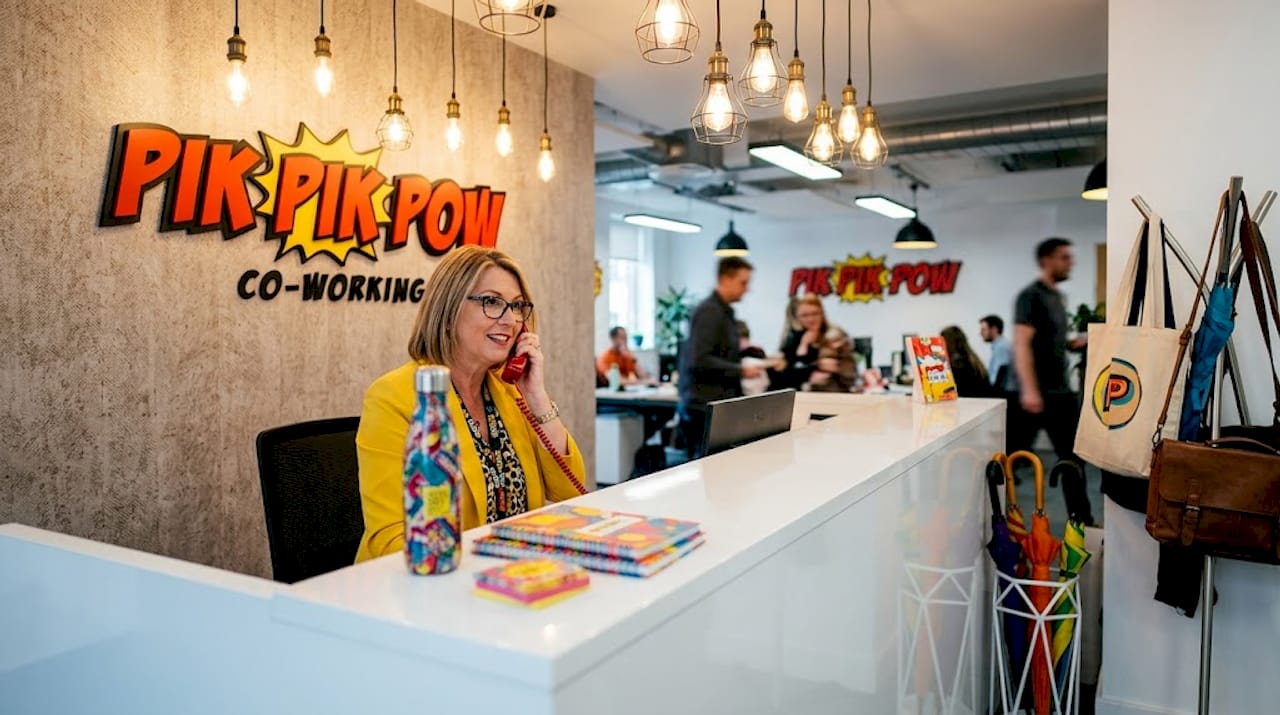
One of the most practical bespoke sign advantages is simply that you are not limited by what a template allows. You choose the size, the material, the finish, the illumination, and the form. That freedom allows signage to fit your building, your location, and your brand precisely rather than approximately.
| Feature | Bespoke signage | Generic signage |
|---|---|---|
| Brand colour matching | Exact | Approximate |
| Size and format | Fully tailored | Fixed options |
| Material selection | Wide choice | Limited |
| Illumination options | Integrated if required | Rarely available |
| Long-term ROI | High, no recurring cost | Lower, often replaced sooner |
| Perceived quality | Premium | Standard |
Illuminated signage adds another dimension entirely. Digital signage is perceived by 84% of retailers as more effective than traditional channels for building brand awareness. Custom neon and LED formats are always on, tightly brand-matched, and highly photographable. That last point matters: when customers share images of your premises on social media, your signage appears in every one of those images.
Bespoke signage also functions as a durable brand asset. Unlike a paid social media campaign that stops working the moment the budget runs out, a well-made sign continues to perform for years. The cost per impression over the lifetime of quality signage is exceptionally low compared to almost any other marketing channel.
Pro Tip: When specifying illuminated signage, consider the viewing distance and ambient light conditions at different times of day. A sign that reads well in daylight may lose legibility at night without the right contrast and brightness specification.
5. Tailored communication for your specific location and audience
Every business operates in a different physical context. A bespoke signage approach starts with that context rather than ignoring it.
A shopfront on a high street with heavy pedestrian traffic has different needs from a logistics depot on a business park, a construction site hoarding, or an office reception. The impact of tailored signage comes precisely from this specificity. Off-the-shelf solutions apply the same logic to every situation. Bespoke solutions account for viewing angles, ambient lighting, planning constraints, and the particular audience passing by.
This extends to internal signage as well. Well-designed internal wayfinding systems improve the experience of moving through your space. For larger premises, offices, or public-facing environments, clear wayfinding reduces staff time spent directing people and creates a professional impression from the moment someone walks in.
Considering your audience also means considering the message. A bespoke approach allows you to adjust tone, scale, and format to suit who you’re speaking to, whether that’s end consumers, professional clients, or site visitors with specific safety requirements.
6. Practical considerations when choosing bespoke signage
Understanding the benefits of custom signage is one thing. Putting it into practice requires some clear thinking before you brief a supplier.
- Assess your location carefully. Pedestrian versus vehicular traffic, viewing distance, and available mounting surfaces all influence what type of signage will perform best.
- Think about durability requirements. Outdoor signage in the UK faces UV exposure, wind loading, and rainfall. Specify materials rated for exterior use and ask about maintenance requirements upfront.
- Align signage with your overall brand strategy. Your signage should match your website, print materials, and any other brand touchpoints. Brief your signage supplier with brand guidelines if you have them.
- Set a realistic budget. Bespoke fabrication costs more than off-the-shelf options upfront, but the quality, lifespan, and brand impact typically justify the difference. Factor in installation and any planning permission requirements.
- Choose a supplier with end-to-end capability. Design, fabrication, and installation managed by one team reduces errors and ensures the finished result matches the original intent.
Planning permission is worth flagging specifically. In the UK, many exterior signs require advertisement consent from your local planning authority. A knowledgeable signage supplier will advise you on what applies to your site and help you prepare the necessary documentation.
My perspective on bespoke signage as a brand tool
In my experience working with businesses across retail, construction, and commercial interiors, bespoke signage is consistently undervalued. I’ve seen businesses spend substantial sums on digital advertising while their shopfront communicates the opposite of what they’re trying to say online. That disconnect costs them customers they’ll never know they lost.
The misconception I encounter most often is that bespoke signage is primarily a cost centre. Business owners focus on the upfront fabrication cost without comparing it to what they spend monthly on paid media, much of which produces far less durable results. A well-made sign working outside your premises every day, for five or ten years, with no monthly fee, is genuinely one of the most cost-efficient marketing investments available.
What I’ve also found is that the businesses which get the most from bespoke signage treat it as part of a wider brand strategy rather than a standalone purchase. They brief suppliers with clear brand guidelines, think carefully about location and materials, and plan for consistency across every customer-facing surface. The results are visibly different from businesses that choose signage reactively or on price alone.
My advice: treat your signage with the same strategic intent you bring to your digital presence. The two reinforce each other more than most business owners realise.
— PikPikPOW!
Bring your brand to life with Pikpikpow
If you’re ready to act on the benefits of custom signage, Pikpikpow has the expertise to make it happen. We work with businesses across retail, construction, commercial interiors, and the TV and film industry to deliver signage that performs in the real world.
Whether you need a striking shopfront fascia, an illuminated architectural sign, or a complete internal wayfinding system, our team handles design, fabrication, and installation from start to finish. Our signage systems page gives you a clear overview of what’s available, and our digital signage solutions cover everything from LED displays to custom illuminated formats. Get in touch with Pikpikpow to discuss your requirements and find out what bespoke signage can do for your business.
FAQ
What are the main benefits of bespoke signage?
Bespoke signage improves brand visibility, drives foot traffic, and communicates professionalism. Custom designs can increase brand awareness by up to 47% and directly influence customer decisions to enter your premises.
How does custom signage improve brand recognition?
Custom signage aligns precisely with your brand’s colours, typography, and identity, creating consistent visual impressions across all customer touchpoints. This consistency builds recognition and trust over time.
Is bespoke signage worth the higher upfront cost?
Yes, because it functions as a long-term brand asset with no recurring costs, unlike paid advertising. The cost per impression over the lifetime of quality signage is significantly lower than most marketing channels.
Can poor signage really affect customer behaviour?
Research shows that poor-quality or damaged signage reduces customer willingness to enter a business. Customers use signage quality as a direct indicator of overall business standards and reliability.
What should I look for in a bespoke signage supplier?
Look for a supplier who offers end-to-end service covering design, fabrication, and installation, has experience in your sector, and can advise on planning permissions and material specifications for your specific location.