
Finding high quality content solutions can feel like searching for the perfect fit in a sea of choices. Marketing managers often face the challenge of balancing creativity with reliability while aiming to stay ahead of changing trends. New tools are arriving each year and some established favourites continue to adapt. The right platform can make all the difference to your strategy and save you untold hours. Which options are truly set to impress in 2026? The next sections reveal top choices that promise both quality and innovation.
Table of Contents
Pik Pik Pow!
At a Glance
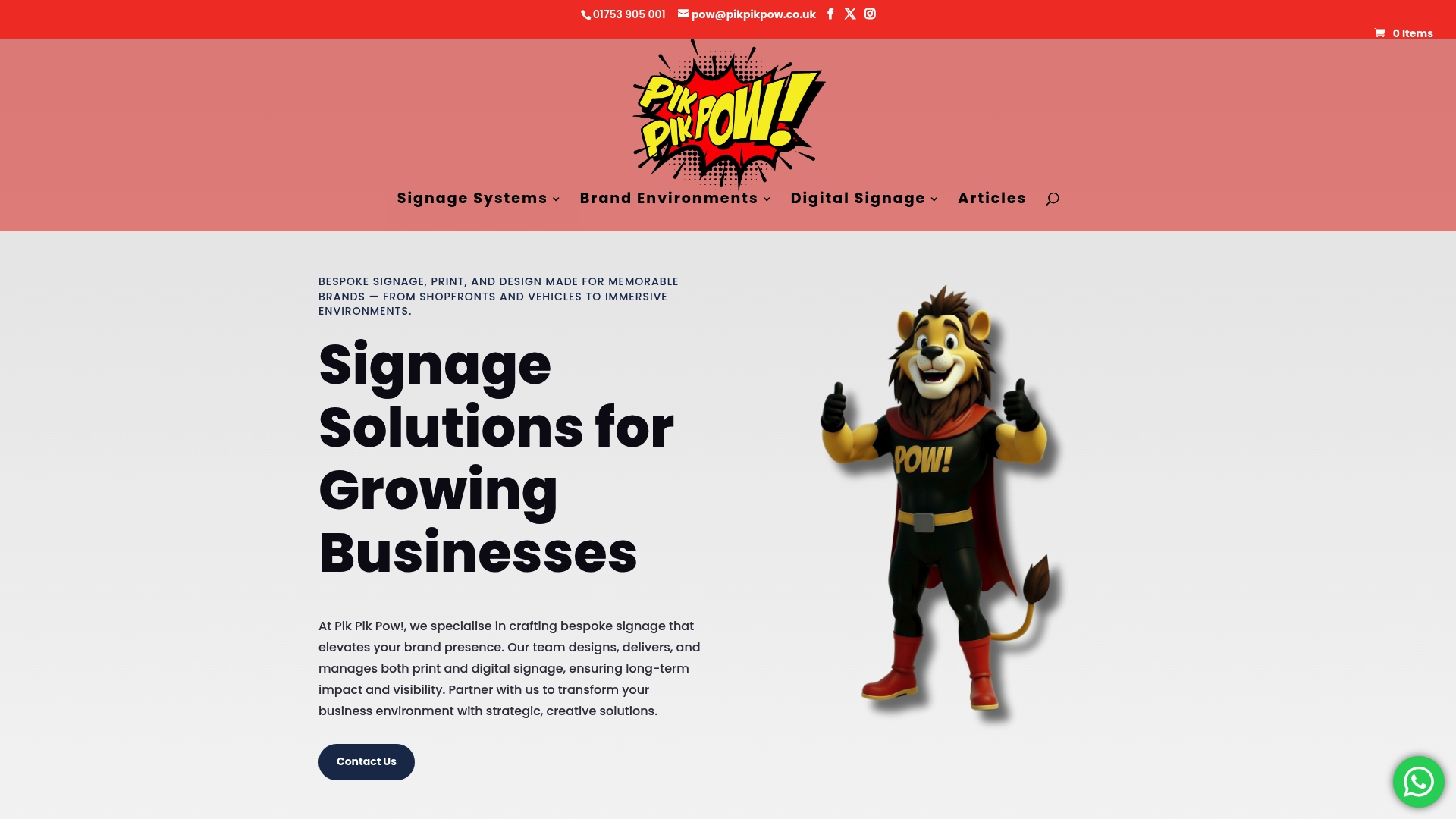
Pik Pik Pow! is a UK-based design, signage and print company offering bespoke signage and brand environment solutions for retail and commercial clients. Their work blends creative strategy with hands-on production to deliver memorable, durable signage that shapes customer experience.
Core Features
The service combines full design, production and project management for both physical and digital signage, aimed at creating cohesive brand spaces and clear customer wayfinding.
- Custom signage design and production
- Bespoke print and digital signage solutions
- Signage systems for interior and exterior environments
- Brand environment creation including environmental and window graphics
- Digital signage options including video walls and digital menu boards and ongoing support to maintain signage effectiveness
Pros
Highly customisable solutions tailored to each client, which means your retail estate can have distinctive shopfronts and interior graphics that reflect the brand precisely.
Experienced team with attention to detail and quality, which reduces rework and leads to consistent finishes across multiple sites.
Positive customer reviews that reference professionalism and on-time delivery, signalling reliability for rollout programmes.
Wide range of signage categories and applications, so you can standardise branding across shopfronts, vehicles and in-store environments.
Excellent customer service and support, including post-installation care to keep signage effective and compliant with local requirements.
Who It’s For
This company suits Marketing Managers at UK retail chains who require tailored, high-quality signage across multiple sites. If you manage rollouts, need consistent brand standards and prefer a single point of contact for design and manufacture, this is a practical choice.
Unique Value Proposition
Pik Pik Pow! pairs strategic design thinking with precision manufacturing to produce signage that performs visually and physically. They manage the full process from concept to installation, reducing the coordination burden on your in-house team and delivering consistent results at scale.
Real World Use Case
A retail store refreshed its shopfront and interior wayfinding to match a new seasonal campaign. Pik Pik Pow! handled the design, printed window graphics, produced a new fascia and installed vinyl wayfinding, improving brand clarity and customer navigation within weeks.
Pricing
Pricing is not listed publicly and is available on request. For accurate budgeting contact the team with project scope, site counts and material preferences to receive a tailored quote.
Website: https://pikpikpow.co.uk
Astrid Stavro
At a Glance
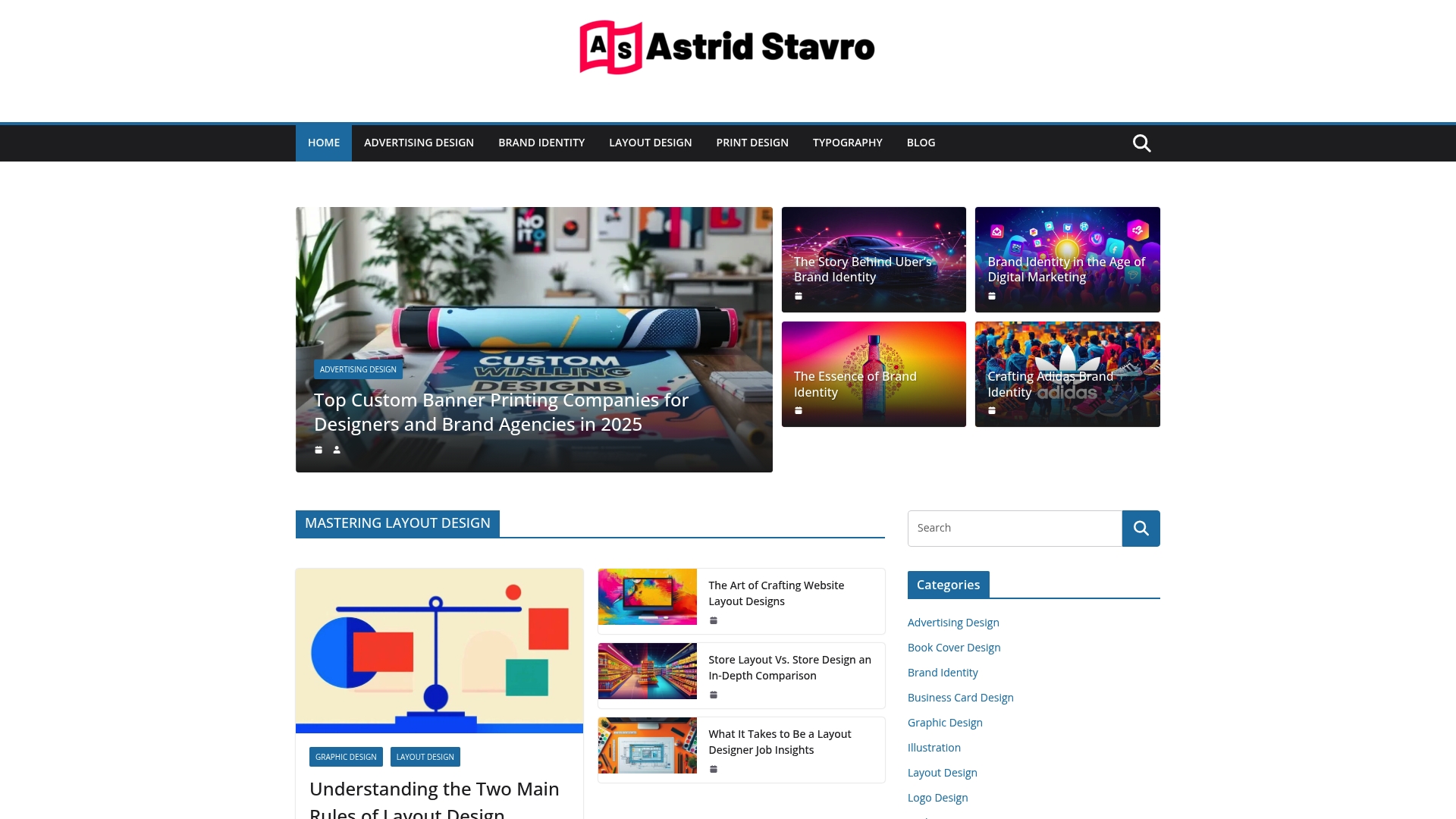
Astrid Stavro is a resource rich website focused on visual communication and design. It works as a research and inspiration hub for professionals who need timely commentary on graphic design and brand practice.
Core Features
The site publishes articles and guides covering brand identity, advertising layout, print design and typography. It also curates lists and reviews of printing companies and design tools while offering career guidance for advertising and design roles.
Pros
- Comprehensive coverage: Articles span core disciplines from typography to print design, giving you broad reference material in one place.
- Useful for education: The guides and curated lists support students and professionals as learning and reference resources for studio briefs or client pitches.
- Regular updates: New posts and features arrive frequently which helps you track emerging trends and refresh campaign ideas.
- Curated vendor information: Lists of printing companies and tool reviews save time when you need practical suppliers for signage or print runs.
Cons
- The website focuses on informational content and does not provide direct production services so you will need a third party to deliver physical signage or print work.
- Many pieces are inspirational and analytical which means you will often have to translate ideas into actionable briefs before presenting them to suppliers or internal teams.
Who It’s For
Marketing managers at retail chains who commission visual identity refreshes or seasonal campaigns will find value here. Use the site to brief internal designers, prepare mood boards or check typographic approaches before briefing a print supplier.
Unique Value Proposition
Astrid Stavro combines editorial analysis with curated practical resources which means you get both context and contacts. The emphasis on design craft and print helps you avoid superficial trends when defining your shopfront and in store communications.
Real World Use Case
A marketing team at an advertising agency uses Astrid Stavro to gather visual references and technical notes for a retail campaign. The team pulls colour directions and printing notes from curated lists then converts those into a brief for the signage supplier.
Pricing
The website does not list any pricing because its output is editorial and resource based. All content is presented as articles, guides and lists without subscription or product purchasing information.
Website: https://astridstavro.com
eyeondesign.aiga.org
At a Glance
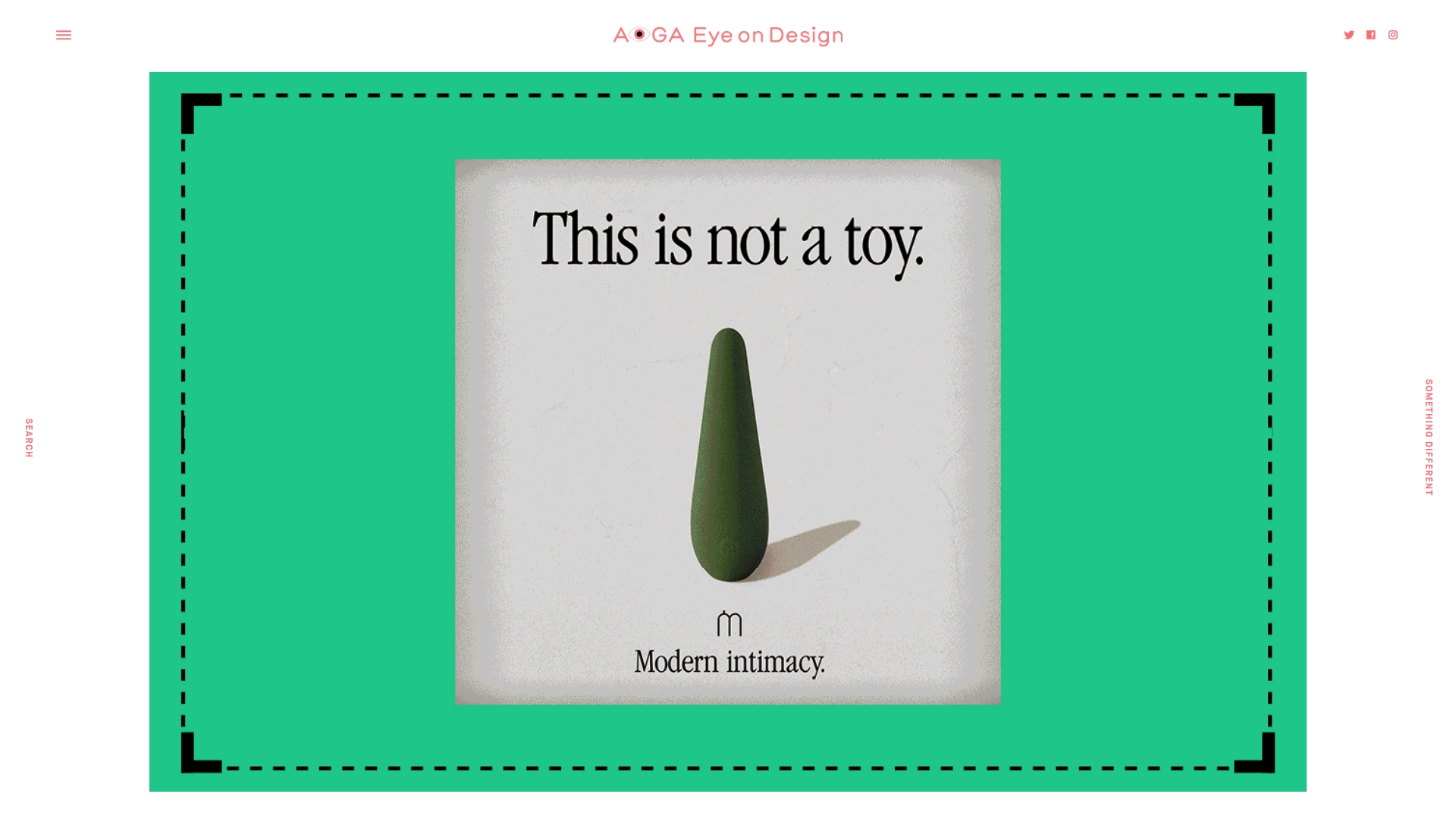
eyeondesign.aiga.org offers a deep well of writing on visual culture and design, combining historical context with contemporary commentary. It is a strong editorial resource for designers and marketing managers seeking informed perspectives rather than practical design tools.
Core Features
The site hosts articles on design topics and featured stories and editor’s picks that cover branding, typography, graphic design and adjacent fields. It also presents multimedia content including high quality images and videos to illustrate themes and movements.
Pros
Comprehensive coverage of design topics: The site offers wide ranging articles that span history, theory and current debates in visual culture.
Historical and contemporary content: Readers gain context from archival pieces and recent commentary which together inform thoughtful brand decisions.
Diverse category range: The site addresses branding, typography, fashion, ecology and politics which helps cross discipline teams find relevant angles.
High quality visuals and resources: Images and embedded media support rapid appraisal of style and tone for campaigns and signage concepts.
Backed by a reputable organisation: AIGA brings credibility and an editorial standard that benefits teams seeking trustworthy sources.
Cons
Limited interactivity or tools: The platform focuses on editorial material and does not provide interactive design tools or downloadable templates which may slow implementation.
Not a source for practical software guidance: Marketing managers looking for step by step tool recommendations will not find that level of practical instruction here.
Dense layout for new users: The volume of content can feel overwhelming at first which may require time to find the most relevant pieces.
Who It’s For
Marketing managers at retail chains who need a reliable editorial source for visual culture insights will find this site useful. It suits teams that commission creative work and require context for typographic choices, colour narratives and historical references.
Unique Value Proposition
eyeondesign.aiga.org delivers curated, well researched essays and features that connect design practice with cultural discourse. Its unique value lies in informed commentary that helps you justify stylistic choices to stakeholders and craft signage narratives with historical depth.
Real World Use Case
A retail marketing manager preparing a rebrand reads archival pieces on 1980s typography and recent articles on sustainable materials to brief a signage supplier. The result is a mood led brief with clear cultural references and imagery attached for production.
Pricing
Access to articles and content is free which makes the site a low cost research resource for teams building creative briefs and reference libraries.
Website: https://eyeondesign.aiga.org
Creative Boom
At a Glance
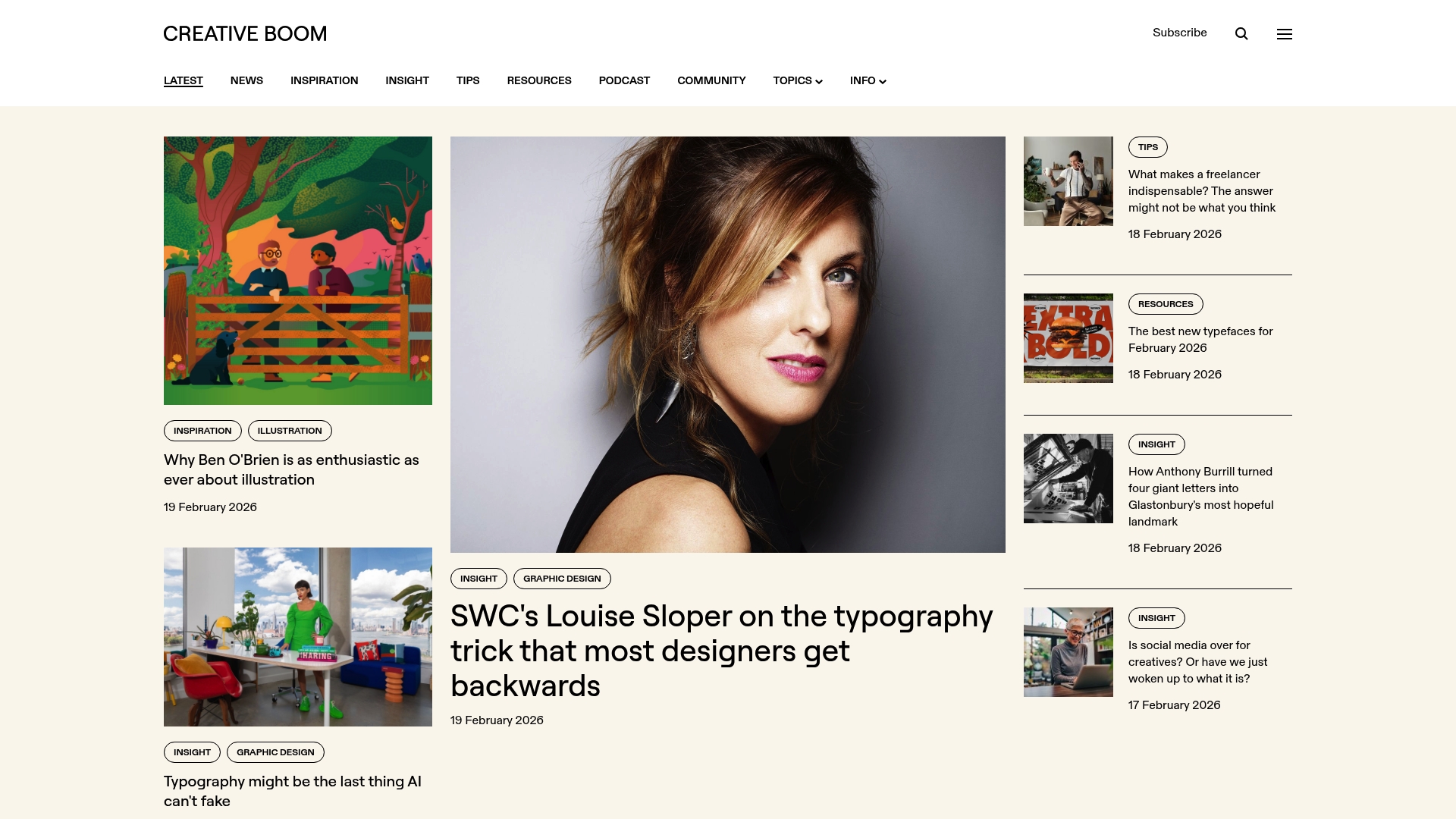
Creative Boom is an independent magazine founded in 2009 that celebrates creativity across disciplines and supplies practical advice for creative professionals. It serves as an idea-rich source for marketing teams seeking visual inspiration and storytelling approaches for retail signage.
Core Features
Creative Boom publishes news, inspiration, insight and practical resources covering art, design, illustration, photography and film. The site combines longform articles, short how-to pieces, podcasts and community features that spotlight practitioners and share industry trends relevant to visual branding.
Creative Boom also provides recognition for creative professionals through curated features and interviews that surface new talent and best practices. The offering focuses on editorial content rather than transactional services or bespoke signage production.
Pros
- Breadth of coverage: It offers extensive content across multiple creative sectors, giving you diverse visual and conceptual prompts for store displays and campaigns.
- Established authority: With over a decade of output, Creative Boom carries trust and credibility that helps justify creative choices to senior stakeholders.
- Multiple content formats: Articles, podcasts and community features let you consume ideas in short bursts or deeper listening sessions depending on your schedule.
- Practical resources: The site lists tools and tips that design teams can adapt when producing in-store graphics or seasonal campaigns.
- Active social presence: Regular updates on social channels extend reach and provide quick trends you can test in weekly merchandising plans.
Cons
- Anglo‑centric focus: Content targets English speaking audiences and often reflects UK and US contexts, which can limit global retail perspectives.
- Variable update cadence: Editorial output fluctuates, so timely coverage of emerging signage techniques is not guaranteed.
- Limited interactivity: The website lacks advanced interactive tools for client brief submission or collaborative mockups that you might use with a signage supplier.
Who It’s For
Creative Boom suits marketing managers at retail chains who need curated inspiration, trend intelligence and creative case studies rather than a supplier for physical signage. Use it when you need fresh visual concepts, campaign hooks or interviews to brief in‑house designers and external fabricators.
Unique Value Proposition
Creative Boom stands out as an editorial resource that translates creative practice into usable ideas for commercial projects. Its strength lies in storytelling about design processes, making it easier for you to justify aesthetic choices to operations and property teams.
Real World Use Case
A Retail Marketing Manager uses Creative Boom to gather seasonal visual themes and to compile examples for a rebrand pitch. They extract colour palettes, photographic styles and layout treatments from features to brief their signage manufacturer and internal creative team.
Pricing
Creative Boom provides free access to articles, podcasts and community content, with optional newsletter subscription for curated updates.
Website: https://creativeboom.com
It’s Nice That
At a Glance
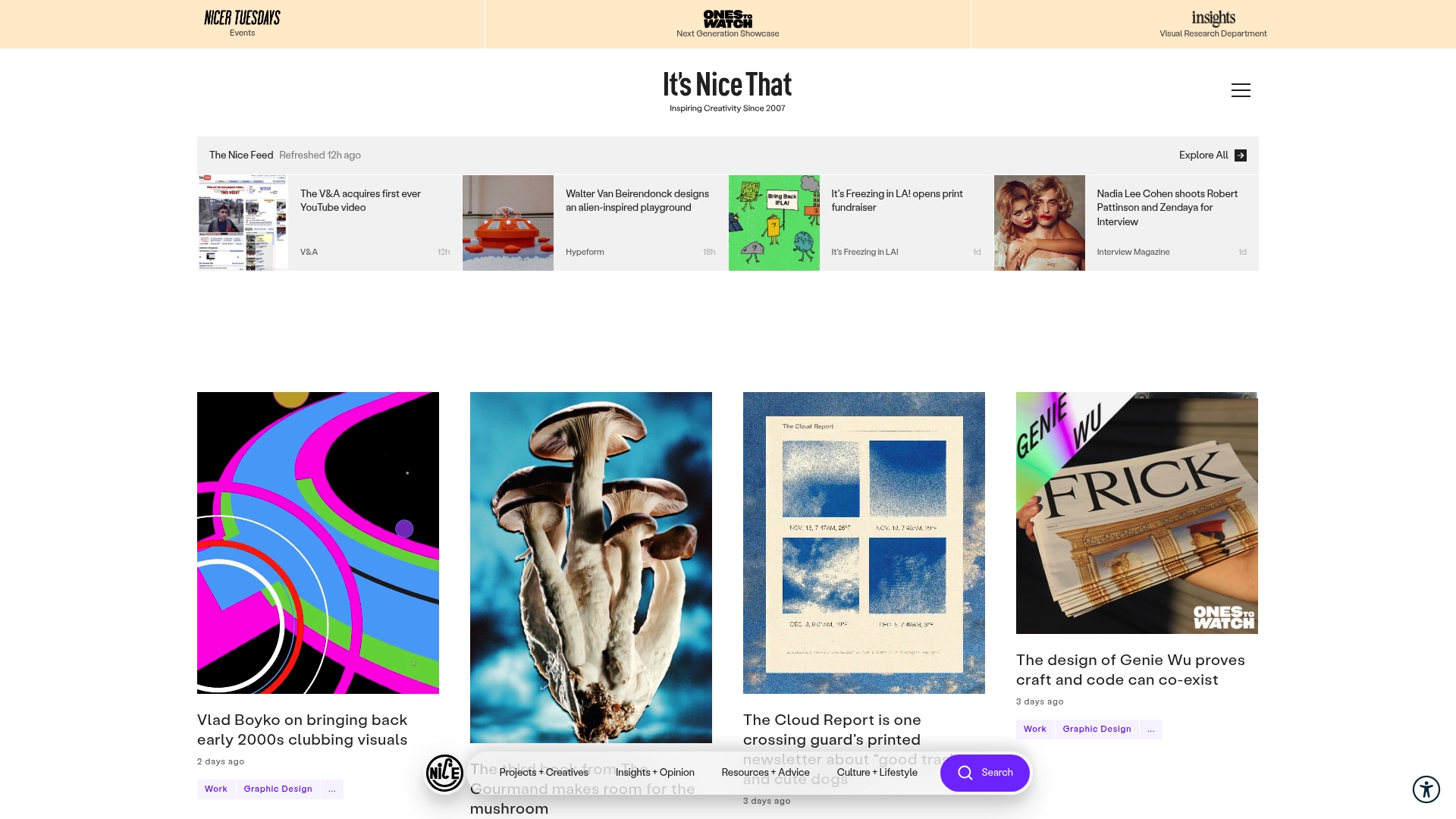
It’s Nice That is a content platform that champions creative practice through journalism, events and community channels. For a UK retail marketing manager seeking signage ideas it is a rich source of visual inspiration rather than a supplier of physical products.
Core Features
The site delivers news and features across art, design, photography and digital media with long form profiles and bite sized updates. It runs series of events such as Nicer Tuesdays and The View From to showcase panels and talks that spark creative thinking. The platform also supports project showcases and portfolio highlights plus newsletter subscriptions and social media engagement for ongoing discovery.
Pros
- Wide topical range: Content spans multiple creative disciplines so you can pull ideas from unexpected sources. This helps when you want signage that feels fresh and on trend.
- Active community: Regular events and series keep contributors and readers engaged which makes it easier to spot rising designers and visual approaches. That matters when you seek collaborators.
- In-depth features: Long form articles offer context and rationale behind creative decisions so you understand why certain aesthetics work in practice. That supports brief writing for signage projects.
- Exposure opportunities: The platform accepts submissions and showcases individual work which increases chances of discovering local talent for commissions. This can shorten your supplier search.
- Strong online presence: Newsletters and social channels amplify standout work which means high visibility for featured creatives and their projects.
Cons
- Audience focus is narrow: The content is aimed at creative professionals which reduces direct commercial guidance for procurement or manufacturing of signage.
- Some content requires registration or contact: Certain premium features or advertising options are not openly listed so you must engage directly to access those services.
- Busy website layout: The content rich pages can feel overwhelming to first time visitors which makes rapid navigation to specific inspiration more difficult.
Who It’s For
This platform suits creative professionals, designers, artists and photographers seeking editorial insight and exposure. It also suits marketing teams who commission visual work and need a constant stream of contemporary references for briefs and concepts.
Unique Value Proposition
It’s Nice That stands out by combining editorial depth with community activity and showcase opportunities. The blend of long form features and live series gives readers both thoughtful critique and current examples they can adapt for retail signage concepts.
Real World Use Case
A graphic designer uses It’s Nice That to monitor emerging trends and to discover studios whose visual language fits a retail brand. A marketing manager then commissions a shortlisted studio discovered through a feature or event to create bespoke shopfront graphics.
Pricing
Access to the majority of content is free while premium features or advertising opportunities are available through direct contact with the team.
Website: https://itsnicethat.com
Design Tools and Platforms Comparison
Below is a comprehensive comparison table summarizing the features, pros, cons, pricing, and usability of the discussed products and platforms to assist marketing managers and designers in making informed decisions.
| Platform | Core Features | Pros | Cons | Pricing |
|---|---|---|---|---|
| Pik Pik Pow! | Bespoke signage design and production; Brand environment solutions | Highly customizable solutions tailored to client needs; Experienced team ensuring quality; Wide signage range for cohesive branding | Requires direct contact for pricing | Pricing available upon request |
| Astrid Stavro | Articles and guides for visual communication and brand identity | Comprehensive coverage across design disciplines; Supports educational purposes; Curated vendor information | No direct production services offered; Requires proactive translation of ideas into actionable briefs | Free access to all content |
| Eye on Design (AIGA) | Editorial content on branding, typography, and visual culture | Historical and contemporary design insights; High-quality multimedia resources | Limited interactivity; Dense layout may overwhelm new users | Free access to articles |
| Creative Boom | News, inspiration, and practical resources for creative sectors | Breadth of coverage across multiple creative fields; Offers practical tools and tips; Engaging social presence | Anglo-centric focus; Variable update cadence | Free access to articles and resources |
| It’s Nice That | Creative editorial and community activity platforms | In-depth features providing rationale for creative decisions; Regular events; Community showcases enabling talent discovery | Targeted towards creative professionals; Busy website layout may be challenging for navigation | Free access to articles; Direct contact for premium services |
Elevate Your Brand with Bespoke Signage Solutions from Pik Pik Pow!
In the quest for high-quality content solutions highlighted by the top Astrid Stavro alternatives, marketing managers often face the challenge of transforming inspired visual concepts into tangible, durable brand environments. You need signage that not only reflects your carefully crafted designs but also delivers consistent impact across multiple locations. Pik Pik Pow! understands the importance of combining creative strategy with precision manufacturing to overcome these challenges and elevate your brand presence.
With bespoke indoor and outdoor signage, including shopfronts, architectural signs and wide-format printing, Pik Pik Pow! offers custom solutions tailored to your retail or commercial needs. Their experienced team ensures seamless project management from design through installation so you can focus on your marketing goals without coordination headaches. By choosing Pik Pik Pow!, you access a trusted partner who delivers quality and reliability at scale.
Explore how our full signage services can bring your visual communications to life with stunning and durable outputs.
Take your brand visuals from concept to reality today with Pik Pik Pow!
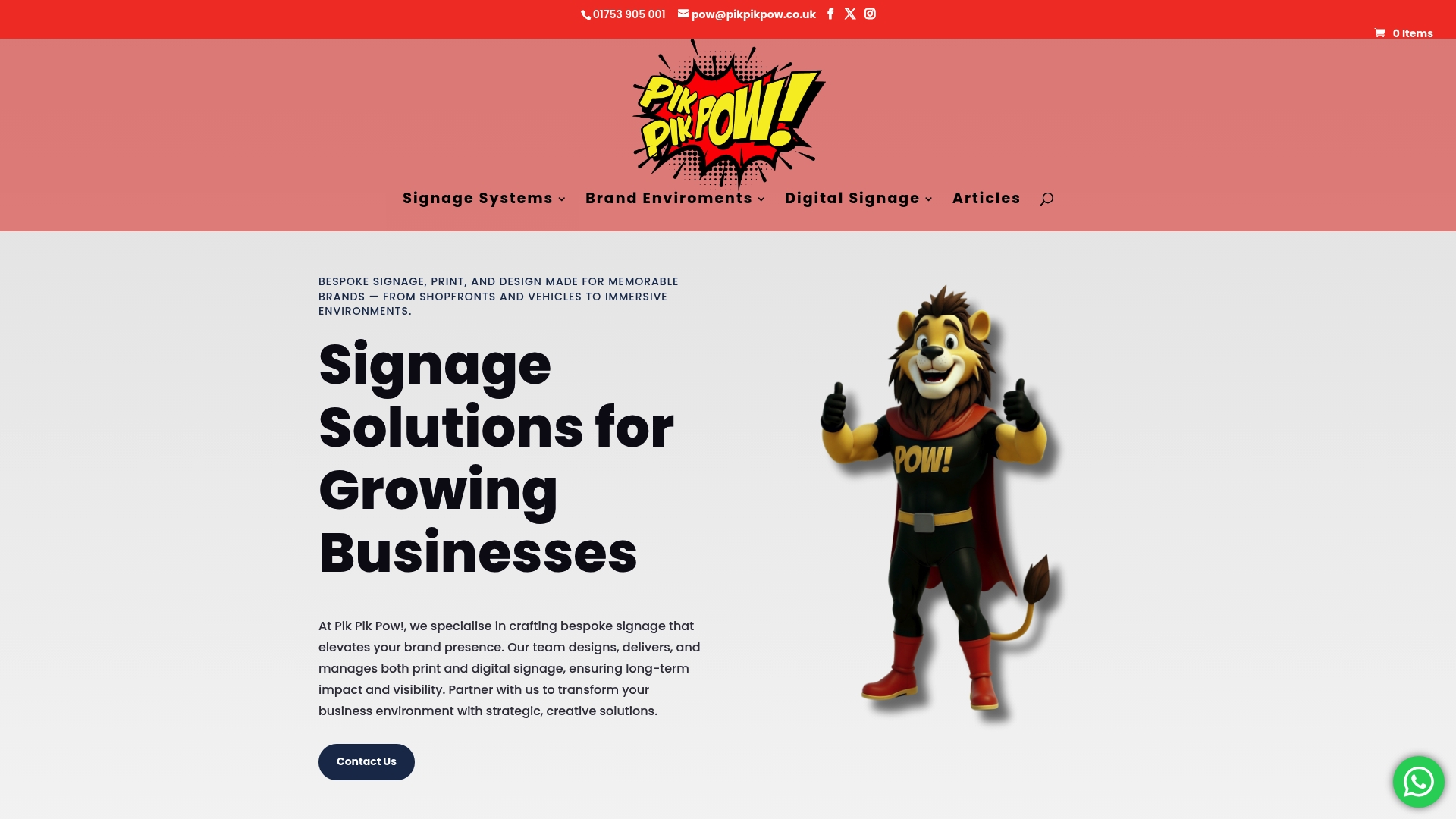
Don’t let your inspired campaigns stay only digital. Visit our landing page to discover bespoke signage solutions that make an immediate impact across your retail spaces. Act now and transform your marketing content into physical experiences that engage customers and drive success.
Frequently Asked Questions
What are some features to look for in alternatives to astridstavro.com?
When choosing alternatives, consider features such as comprehensive articles on brand identity, practical resources for students, and regularly updated content on design trends. Prioritise platforms that provide both context and practical applications to enhance your marketing strategies.
How can I evaluate the quality of content on different platforms?
To assess content quality, review the depth of articles, the expertise of contributing writers, and the platform’s reputation in the design community. Conduct a comparison of several resources to determine which aligns best with your specific content needs for visual branding.
Are there specific types of content that marketing managers should focus on?
Marketing managers should seek content that provides actionable insights, case studies, and practical guidance on branding and design processes. Focus on platforms that offer a variety of content formats, such as articles, podcasts, and visual case studies to enrich your strategy.
How can I keep track of emerging trends from the alternatives?
Subscribe to newsletters or set up alerts for updates from competing platforms to stay informed on the latest design trends. Regularly check their social media for real-time insights that can be integrated into your marketing efforts.
What common challenges might I face when transitioning to a new content platform?
Common challenges include adapting to new interface layouts, sourcing familiar content types, and managing the learning curve associated with different platforms. To alleviate these issues, allocate time for a trial period on each platform and gather feedback from your team to streamline the transition process.
How often should I assess my content sources for relevance?
It’s advisable to reassess your content sources every 6 months to ensure they continue to meet your marketing needs and adapt to industry changes. Maintain a checklist of key criteria to evaluate each source’s ongoing relevance and quality.