
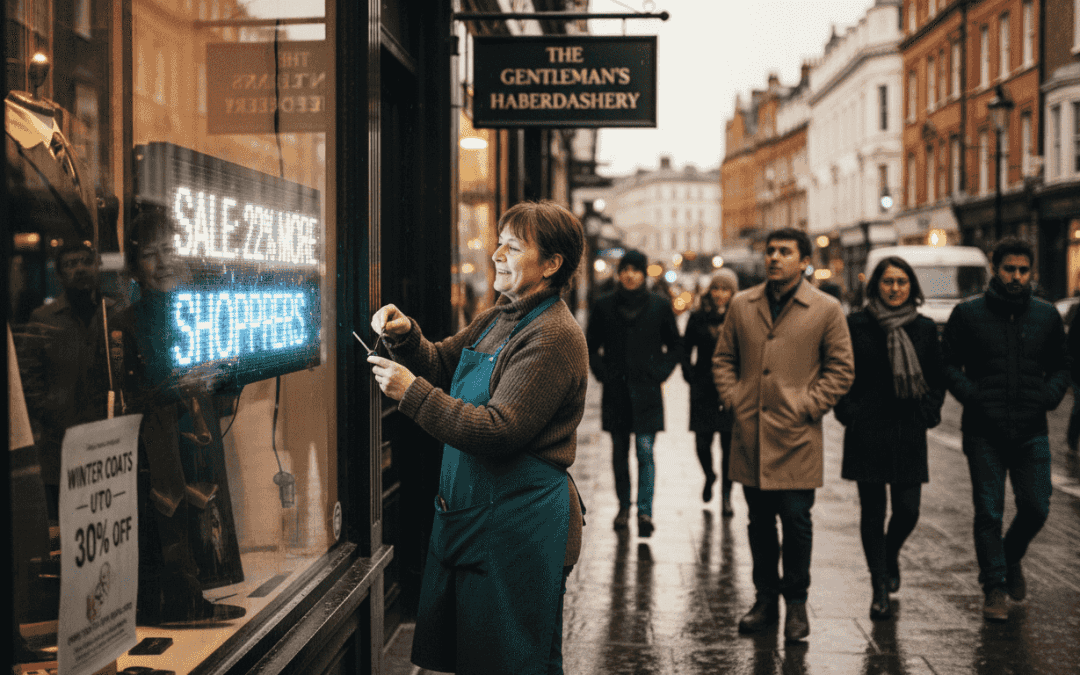
Choosing the right signage for your retail or commercial brand is harder than it looks. With countless materials, designs, and placement strategies to consider, marketing managers often struggle to identify what truly drives visibility and customer engagement. A UK retail chain increased foot traffic by 22% following the installation of LED-illuminated outdoor signage at store entrances. This article delivers actionable tips on design, materials, placement, compliance, and lighting to help you improve brand visibility and attract more customers in 2026.
Table of Contents
- Key Criteria For Selecting Effective Signage
- Strategic Signage Design Principles
- Material Durability And Weather Resistance
- Lighting And Visibility Enhancements
- Effective Signage Placement Strategies
- Regulatory Compliance And Legal Considerations In The UK
- Cost Considerations And ROI Analysis
- Summary Comparison And Situational Recommendations
- Enhance Your Signage With Pik Pik Pow Solutions
Key Takeaways
| Point | Details |
|---|---|
| Effective signage blends clarity, durability, optimal placement and legal compliance | Success requires balancing design visibility with material longevity and regulatory adherence |
| High-contrast colors and simple messaging improve visibility | Clear, bold design choices increase readability and customer engagement |
| Aluminium signs offer the best longevity in UK’s climate | Weather-resistant materials ensure signs last over 10 years outdoors |
| LED lighting can increase night-time visibility by up to 60% | Illuminated signage dramatically boosts after-dark customer attraction |
| Compliance with UK planning rules avoids costly penalties | Early regulatory checks prevent fines and installation delays |
Key Criteria for Selecting Effective Signage
Before diving into specific materials or designs, you need a framework for evaluating signage options. The best signs combine visibility, durability, strategic placement, legal compliance, and cost effectiveness.
Start with clarity and readability. High contrast between text and background ensures your message registers quickly. Font size matters too. Customers scanning from a distance need large, legible type.
Materials must withstand the UK’s unpredictable weather. Rain, wind, and UV exposure degrade poorly chosen materials fast. Aluminium composite panels are weather-resistant and commonly used for durable outdoor signage in the UK, offering an average lifespan of 10+ years.
Placement determines whether anyone sees your sign at all. Position signage where foot traffic naturally flows. Eye level works best for pedestrian areas. Vehicle-oriented signs need height and distance visibility.
Compliance with UK signage regulations protects you from fines and forced removals. Planning permissions vary by council. Budget time for applications before installation.
Cost analysis requires looking beyond the initial price tag. Factor in maintenance expenses, expected lifespan, and anticipated returns. A cheaper sign that needs replacement in two years may cost more than a durable option lasting a decade.
Key selection criteria:
- Clarity through high contrast colors and appropriate font sizing
- Weather-resistant materials suited to UK climate conditions
- Strategic placement maximizing customer visibility and engagement
- Full compliance with local council planning and advertising regulations
- Balanced cost analysis considering ROI and total ownership expenses
Want to explore signage design for UK retail in more depth? Understanding these fundamentals helps you ask the right questions when planning your investment. Check our shop signage cost guide to align budget expectations with quality requirements.
Strategic Signage Design Principles
Design directly impacts whether your signage actually gets noticed. Poor design wastes even the best materials and placement.
High contrast colour combinations create immediate visual impact. Black on white, white on red, or yellow on black grab attention fast. Avoid low contrast pairings like grey on beige. They disappear in varied lighting conditions.
Keep messaging brutally simple. Three to seven words maximum for primary text. Customers make split second decisions. Give them a clear call to action they can absorb instantly.
Brand consistency matters more than clever one-offs. Your signage should match your logo colours, typography, and overall brand identity. Inconsistent signs confuse customers and dilute brand recognition.
Balance aesthetics with functionality. Beautiful signage that customers cannot read from 20 metres away fails its core purpose. Test visibility from multiple angles and distances before finalizing designs.
Visual hierarchy guides viewer attention through your message. The most important element should dominate. Secondary information comes next. Tertiary details receive minimal space.
Design best practices:
- Use bold, high contrast colour schemes for maximum readability
- Limit text to essential words with clear calls to action
- Maintain consistent brand elements across all signage touchpoints
- Prioritize visibility over purely aesthetic considerations
- Apply hierarchy principles to structure information effectively
Pro Tip: Test your design at actual viewing distances before production. What looks great on a computer screen may fail at street level.
Explore how design’s role in UK signage impact can transform customer perception. Understanding types of business signage for retail helps you choose the right format for each location and purpose.
Material Durability and Weather Resistance
The UK climate punishes weak materials. Rain, wind, temperature swings, and UV exposure all accelerate degradation.
Aluminium composite panels dominate outdoor signage for good reason. They resist corrosion, maintain colour integrity, and offer an average lifespan of 10+ years. The upfront cost runs higher, but longevity justifies the investment.
Vinyl provides a budget-friendly alternative for shorter campaigns. It typically lasts five to seven years outdoors. Perfect for temporary promotions or seasonal messaging. Maintenance requirements stay low, though fading accelerates in direct sunlight.
Acrylic works well for indoor applications or sheltered outdoor locations. It offers excellent clarity and modern aesthetics. Exposure to harsh weather reduces its lifespan compared to aluminium.
| Material | Lifespan | Weather Resistance | Maintenance | Best Use |
|---|---|---|---|---|
| Aluminium Composite | 10+ years | Excellent | Low | Permanent outdoor signage |
| Vinyl | 5-7 years | Good | Low | Temporary campaigns |
| Acrylic | 7-10 years | Moderate | Medium | Indoor or sheltered outdoor |
Maintenance needs vary by location exposure. Coastal environments accelerate corrosion. Urban pollution degrades certain finishes faster. Budget for periodic cleaning and inspection regardless of material choice.
Cost differentials influence long-term ROI significantly. A sign lasting twice as long for 30% more upfront cost delivers better value. Calculate total ownership costs over expected lifespan.
Material selection factors:
- Match material durability to signage location and exposure levels
- Consider maintenance accessibility when selecting materials
- Factor replacement cycles into total cost calculations
- Prioritize weather-resistant options for outdoor applications
Pro Tip: Request material samples and test them in your specific environment before committing to large orders.
Learn more about shop design essentials to ensure your material choices align with overall brand presentation.
Lighting and Visibility Enhancements
Lighting transforms signage from daytime-only tools into 24-hour brand ambassadors. Urban retail locations with evening foot traffic need illuminated solutions.
LED illuminated signs increase visibility by up to 60% during evening hours in urban retail areas. That visibility boost translates directly into more customer attention after dark.

LED technology offers superior energy efficiency compared to traditional fluorescent or neon options. Lower operating costs offset higher installation expenses within two to three years. LEDs also last 50,000+ hours, reducing maintenance frequency.
Lighting enhances contrast dramatically. Even well-designed signage loses impact in low light. Illumination ensures your message stays readable regardless of natural light conditions.
Installation costs vary by sign size and electrical access. Factor in both initial setup and ongoing electricity expenses. LED efficiency keeps running costs manageable even for large installations.
Urban retail locations with extended business hours benefit most from illuminated signage. If you operate past sunset or target evening shoppers, lighting becomes essential rather than optional.
LED illuminated signs increase visibility by up to 60% during evening hours, dramatically improving customer attraction in competitive retail environments.
Lighting benefits:
- Dramatically improved night-time visibility attracting after-dark customers
- Energy-efficient LED technology reducing long-term operating costs
- Enhanced contrast making signage readable in all conditions
- Extended brand presence beyond daylight hours
Discover how signage lighting and design role work together to maximize impact. Explore LED signage visibility benefits for detailed efficiency comparisons.
Effective Signage Placement Strategies
Even brilliant signage fails if customers never see it. Strategic placement multiplies your investment’s effectiveness.
Eye-level placement enhances visual engagement by 35%. Position signs where pedestrians naturally look. Too high and they miss it. Too low and it disappears behind street furniture.
Locate signage near pedestrian pathways and entrances for maximum exposure. Natural traffic flow points create guaranteed viewing opportunities. Corner locations offer dual-direction visibility.
Avoid visual obstructions ruthlessly. Trees, poles, and other structures block sightlines. What looks clear in winter may disappear behind foliage in summer. Check seasonal visibility variations.
Indoor versus outdoor placement requires different strategies. Indoor signs guide navigation and reinforce branding at decision points. Outdoor signs attract attention from distance and compete with environmental noise.
Regularly assess local foot traffic patterns. Peak times, approach directions, and viewing angles all inform optimal placement. What works for morning commuters may fail for evening shoppers.
Placement strategies:
- Position signs at eye level for pedestrian traffic viewing
- Locate near entrances and high-traffic pathways for maximum exposure
- Clear all obstructions blocking customer sightlines
- Adapt placement strategies for indoor navigation versus outdoor attraction
- Monitor traffic patterns and adjust placement based on actual customer flow
Learn about signage placement tips for retail to optimize every location’s potential.
Regulatory Compliance and Legal Considerations in the UK
UK signage regulations protect visual environments but complicate installation. Understanding requirements saves time and money.
Planning permissions can take weeks to process. Some councils require applications for any external signage. Others grant automatic approval for specific sizes and types. Start your application early to avoid project delays.
Advertising must comply with safety regulations and local council rules. Illuminated signs near residential areas face stricter controls. Some conservation areas ban certain signage types entirely.
Non-compliance risks fines, forced removal orders, and reputational damage. Councils can issue enforcement notices requiring immediate sign removal. Fines escalate for continued violations.
Application processes vary significantly by council. What works in Manchester may not apply in Edinburgh. Contact your local planning authority before finalizing designs.
Compliance steps:
- Contact your local council planning department early in the design phase
- Submit detailed plans including dimensions, materials, and lighting specifications
- Allow four to eight weeks for application processing and potential revisions
- Obtain written approval before beginning installation work
- Keep approval documentation accessible for future reference or enforcement queries
Incorporate compliance checks into early project stages. Discovering restrictions after manufacturing wastes resources and delays launches. Stay updated with UK signage regulation updates to avoid surprises.
Cost Considerations and ROI Analysis
Smart financial planning separates successful signage investments from budget drains. Look beyond sticker prices to true value.
Aluminium signage costs 15% to 30% more upfront but offers superior long-term ROI. A £3,000 aluminium sign lasting 12 years costs £250 annually. A £2,000 vinyl sign needing replacement every six years costs £333 annually.
Vinyl signage has lower initial costs making it attractive for tight budgets. However, more frequent replacement cycles increase total ownership expenses. Perfect for short-term campaigns but questionable for permanent installations.
Maintenance expenses impact total cost calculations. Some materials need regular cleaning or protective treatments. Factor these ongoing costs into financial projections.
Consider signage lifespan aligned with marketing campaign duration. A five-year brand refresh cycle justifies different investments than permanent storefront signage. Match material durability to your strategic timeline.
| Signage Type | Initial Cost | Lifespan | Annual Cost | Best Scenario |
|---|---|---|---|---|
| Aluminium Composite | £3,000 | 12 years | £250/year | Permanent installations |
| Vinyl | £2,000 | 6 years | £333/year | Temporary campaigns |
| LED Illuminated | £4,500 | 10 years | £450/year | High-traffic evening locations |
Cost-saving strategies:
- Choose scalable designs allowing incremental additions as budget permits
- Consider modular signage systems reducing replacement costs
- Invest in durable materials for permanent locations to minimize lifecycle expenses
- Reserve budget options for temporary or seasonal messaging
Explore shop signage costs UK 2026 for detailed pricing breakdowns. Understand signage ROI in commercial interiors to justify investments to stakeholders.
Summary Comparison and Situational Recommendations
Choosing the right signage type depends on your specific situation. This comparison helps match solutions to needs.
| Signage Type | Durability | Cost | Visibility | Best For |
|---|---|---|---|---|
| Aluminium Composite | Excellent | Medium-High | Good | Long-term outdoor installations |
| Vinyl | Good | Low | Good | Budget-friendly temporary campaigns |
| LED Illuminated | Excellent | High | Excellent | Night-time visibility and high-traffic areas |
| Acrylic | Good | Medium | Excellent | Indoor or sheltered premium locations |
Aluminium composite signage works best for long-term outdoor use. It withstands UK weather while maintaining professional appearance for a decade or more. Ideal for permanent storefronts and architectural applications.
Vinyl signage suits budget-friendly, short-term campaigns. Use it for seasonal promotions, event marketing, or temporary locations. Replace every five to seven years as part of planned refresh cycles.
LED illuminated signs excel at enhancing night-time visibility and attracting evening customers. Perfect for urban retail locations with extended hours or competitive high streets where you need standout presence after dark.
Compliance and placement factors influence final selection significantly. Even the best material choice fails without proper permissions and strategic location. Consider all variables together rather than optimizing single factors.
Selection guidelines:
- Prioritize aluminium for permanent outdoor installations requiring decade-plus lifespans
- Choose vinyl for temporary campaigns or budget-constrained projects
- Invest in LED lighting for locations with significant evening foot traffic
- Factor compliance requirements into material and design decisions early
- Match durability expectations to actual replacement cycles and budget realities
Explore outdoor signage examples UK retail to see how leading brands apply these principles successfully.
Enhance Your Signage with Pik Pik Pow Solutions
You now understand what makes signage effective. Turning that knowledge into results requires expert execution.
Pik Pik Pow offers high-quality signage systems tailored to UK retail environments. We combine design expertise with precision manufacturing to create durable, compliant solutions that elevate your brand presence.
Our signage systems deliver the clarity, durability, and strategic placement discussed throughout this article. Whether you need permanent aluminium installations or flexible campaign solutions, we engineer signage matching your specific requirements. Explore digital signage solutions to boost visibility with dynamic content capabilities. Our shop exterior signage ensures weather-resistant, regulation-compliant installations designed around your brand identity. Professional consultation helps align signage choices with business goals, budget constraints, and regulatory requirements specific to your location.
FAQ
What are the most durable signage materials for UK outdoor use?
Aluminium composite panels lead for durability, offering over 10 years of reliable performance in UK weather conditions. Vinyl works for temporary applications but typically lasts only five to seven years outdoors.
How can lighting improve my signage’s effectiveness?
LED lighting boosts night-time visibility by up to 60%, dramatically increasing customer attention after dark. It attracts more foot traffic during evening hours and extends your brand presence beyond daylight, especially valuable for urban retail locations with extended operating hours.
What UK regulations affect commercial signage?
Planning permission and advertising laws vary significantly by local council jurisdiction. Some areas require applications for any external signage while others grant automatic approval for specific sizes. Non-compliance can lead to enforcement fines and mandatory removal orders.
How do I balance signage cost with expected ROI?
Consider both upfront costs and ongoing maintenance expenses over the sign’s expected lifespan. Aluminium signs cost 15% to 30% more initially but usually deliver better ROI due to longer lifespans and lower replacement frequency. Check our signage cost and ROI guide for detailed financial comparisons.