
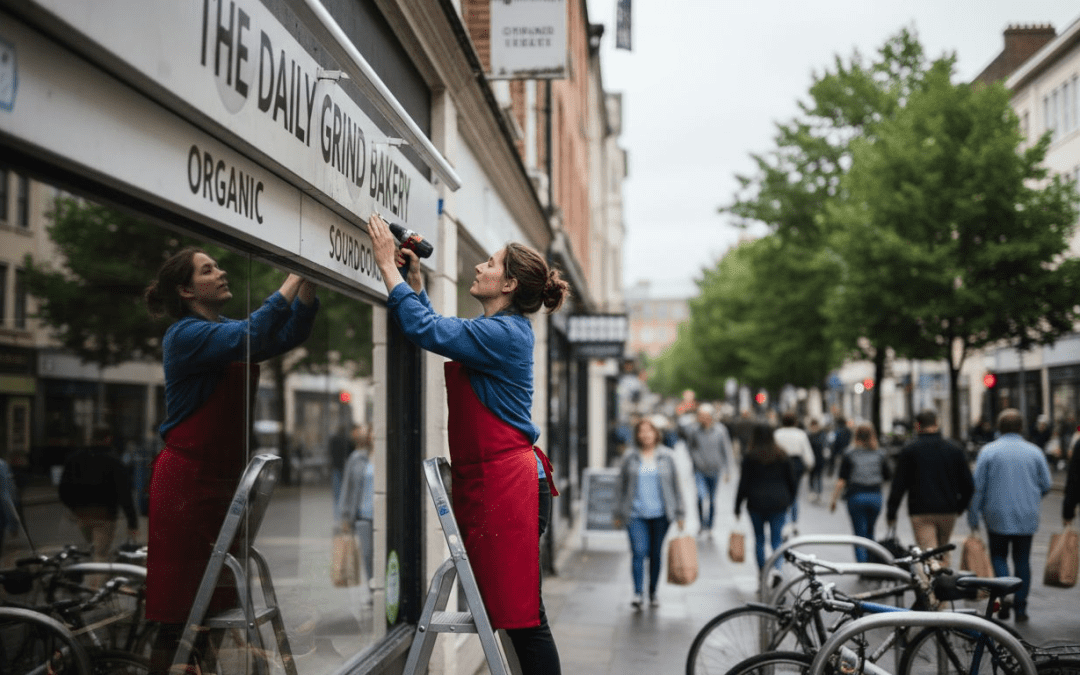
Choosing the right signage materials is more than a visual design choice for retail brands across the United Kingdom. The physical quality and finish of your in-store signs communicates your brand’s reliability and attention to detail to every customer who walks through your doors. Research confirms that digital signage creates favourable shopping experiences and strengthens emotional connections, showing that material selection has a direct impact on customer perception and approach behaviour. This guide helps you navigate material choices so your signage works as a powerful expression of your brand in any retail location.
Table of Contents
- What Signage Materials Mean For Retail Brands
- Main Types Of Signage Materials Explained
- Cost Factors And Common Pitfalls To Avoid
- Making Material Decisions
- Comparing Your Options
- How Material Choice Shapes Durability And Style
- Sustainability And Modern Options For 2026
Key Takeaways
| Point | Details |
|---|---|
| Material Quality Matters | The choice of signage materials directly affects customer perceptions, influencing their view of brand reliability and professionalism. |
| Durability is Key | Investing in premium materials can be more cost-effective over time, as they last longer and require less frequent replacement. |
| Brand Alignment is Essential | Signage materials should reflect your brand personality—ensuring consistency between aesthetic and ethos is crucial. |
| Sustainability is an Advantage | Eco-friendly signage not only meets consumer demand for sustainability but also enhances brand credibility and customer loyalty. |
What Signage Materials Mean for Retail Brands
Your choice of signage materials directly shapes how customers perceive your brand the moment they step into your store. The physical quality and appearance of your signage sends a message about your brand values, attention to detail, and commitment to customer experience.
Different materials communicate different things. A sleek aluminium fascia suggests modern professionalism. Timber signage evokes warmth and authenticity. Acrylic conveys clarity and contemporary design. These aren’t just aesthetic choices—they’re brand statements that influence customer behaviour before anyone reads a word.
Research demonstrates that digital signage creates favourable shopping experiences and positively influences consumer behaviour by evoking emotional connections that strengthen customers’ relationship with your brand. Material selection works the same way for static signage: it affects how shoppers respond to your space.
How Materials Influence Customer Perception
Your signage materials affect three critical areas:
- Durability and maintenance: Premium materials keep your store looking sharp longer, reinforcing brand reliability
- Visual impact: High-quality finishes and colours grab attention and look professional
- Brand alignment: Materials should match your brand personality—luxury, casual, innovative, or traditional
Worn or cheap-looking signage damages brand reputation. Customers unconsciously associate poor signage condition with poor service quality. One small, shabby sign can undermine an otherwise excellent shopping environment.
Material quality directly affects whether customers see your brand as trustworthy, professional, and worth their loyalty.
Which Materials Work Best for Retail Stores
The best material depends on your specific needs and location:
- Aluminium: Lightweight, corrosion-resistant, sleek appearance
- Acrylic: Crystal-clear finishes, vibrant colours, modern aesthetic
- Timber: Warm, natural feel, excellent for independent retailers
- Vinyl: Cost-effective, versatile, easy to update branding
- Composite boards: Durable hybrid option, excellent weather resistance
Your store’s location matters significantly. High-street locations need weather-resistant materials that maintain appearance in British rain and sunlight. Interior mall locations allow more design flexibility.
Here’s how signage material choices influence customer perception in retail environments:
| Material Type | Brand Image Impact | Suitability |
|---|---|---|
| Aluminium | Modern, reliable | Outdoor, premium |
| Acrylic | Contemporary, elegant | Indoor displays |
| Timber | Authentic, welcoming | Boutique stores |
| Vinyl | Colourful, adaptive | Cost-conscious |
| Composite Board | Durable, professional | Variable weather |
Understanding the role of signage in brand identity helps you select materials that genuinely reinforce your brand’s core message and values, rather than just looking nice.
Making Material Decisions
Consider these factors before choosing:
- Your target customer expectations and shopping behaviour
- Your store’s architectural style and layout
- Local weather conditions and maintenance access
- Your budget for installation and future updates
- How long you plan to keep the signage in place
Material selection isn’t a one-size-fits-all decision. What works brilliantly for a high-street fashion boutique might not suit a corner convenience store. Your material choice should enhance your specific brand positioning.
Pro tip: Choose materials that balance visual appeal with practical durability—premium finishes that can withstand British weather without constant maintenance protect your brand investment long-term.
Main Types of Signage Materials Explained
Choosing the right signage material depends on where your sign will live, how long it needs to last, and what impression you want to make. Each material has distinct strengths, costs, and performance characteristics that affect your brand’s presentation.
The UK market offers several tried-and-tested options, each suited to different retail environments and budgets. Understanding what each material does helps you make decisions that protect your investment and strengthen your brand presence.
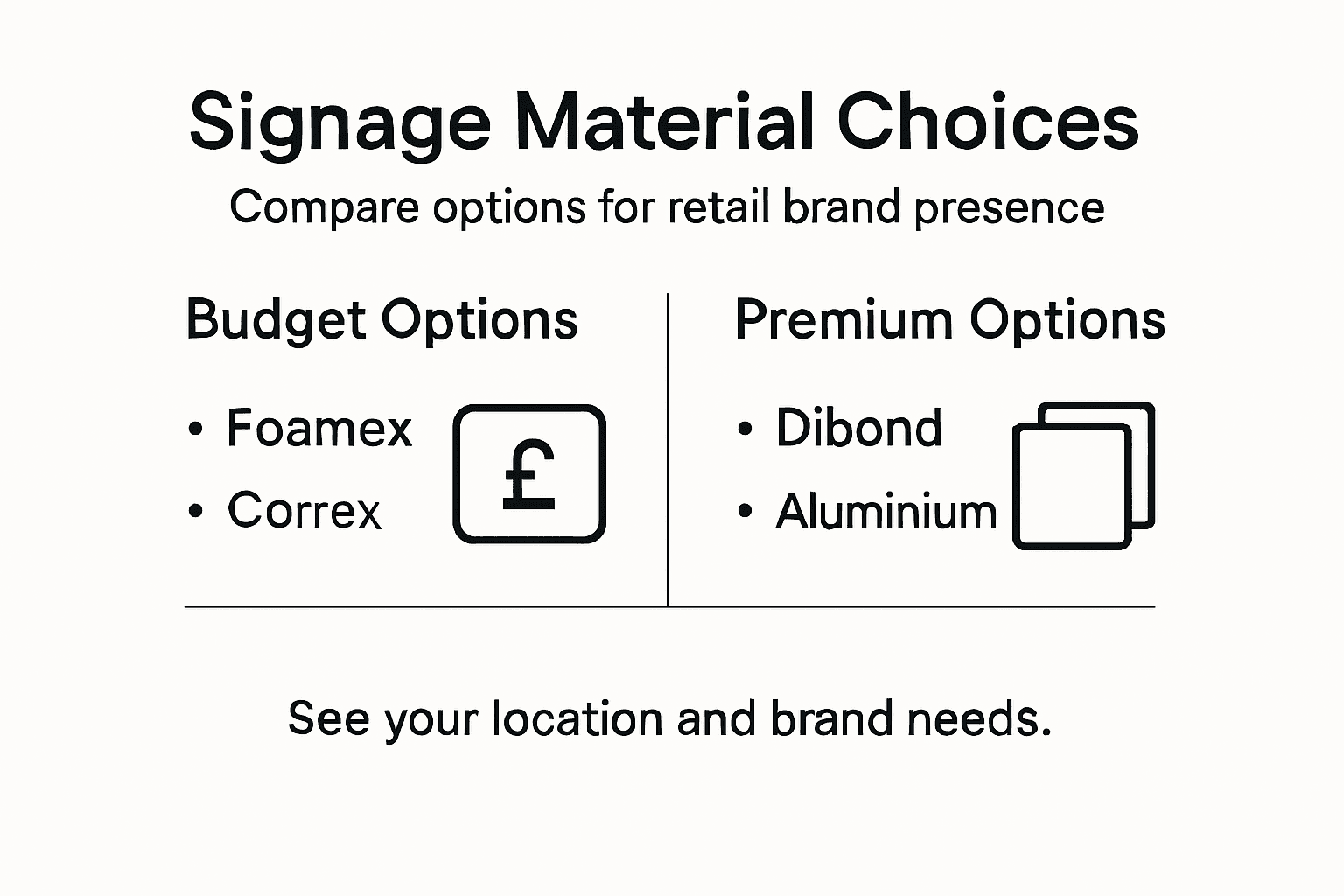
Foamex and Correx for Budget-Conscious Retailers
Foamex (PVC foam board) works brilliantly for temporary indoor displays and short-term outdoor campaigns. It’s affordable, lightweight, and has a smooth surface that accepts printing beautifully. You’ll see it in pop-up stores and seasonal promotions.
Correx (fluted polypropylene) is waterproof and equally lightweight, making it ideal for temporary outdoor signage. It’s cost-effective for short campaigns but degrades faster than premium materials in harsh weather conditions.
Both materials suit retailers testing designs or running time-limited promotions without major capital investment.
- Foamex: Best for indoor use and quick turnarounds
- Correx: Ideal for temporary outdoor signage and roadside displays
- Both: Budget-friendly and easy to install
Premium Materials for Long-Term Impact
Common UK signage materials comparison shows that Dibond (aluminium composite) and aluminium sheets dominate premium retail installations. Dibond offers rigidity and outstanding weather resistance, making it perfect for long-term outdoor fascia signs. Aluminium sheets provide maximum durability for high-street locations exposed to constant foot traffic and British weather.
Acrylic delivers a glossy, premium finish typically reserved for indoor retail environments. It creates elegant displays and catches light beautifully, though it requires indoor protection from weathering.
Premium materials cost more upfront but protect your brand investment for 10+ years with minimal maintenance.
Comparing Your Options
| Material | Best For | Weather Resistance | Cost | Lifespan |
|---|---|---|---|---|
| Foamex | Indoor, temporary | Poor | Low | 1-2 years |
| Correx | Temporary outdoor | Good | Low | 1-3 years |
| Dibond | Permanent outdoor | Excellent | Medium | 10+ years |
| Aluminium | Premium outdoor | Excellent | High | 15+ years |
| Acrylic | Indoor displays | Poor | Medium | 5-8 years |
Making Your Selection
Start by asking yourself these questions:
- Will the sign face outdoor weather conditions?
- How long do you plan to keep this signage in place?
- What’s your realistic maintenance budget?
- Does your brand positioning support premium or budget-friendly materials?
High-street retailers usually invest in Dibond or aluminium because these materials maintain appearance over years. Independent boutiques might choose acrylic for elegant indoor displays. Temporary campaigns suit Foamex or Correx to keep costs down.
When designing impactful signage, material selection works hand-in-hand with your design choices to create cohesive brand presence.
Pro tip: Match material durability to your signage location—outdoor signs need premium materials like Dibond or aluminium to maintain brand credibility through British weather, whilst temporary indoor displays can use cost-effective Foamex without damaging brand perception.
How Material Choice Shapes Durability and Style
Your signage material choice directly impacts two critical outcomes: how long your sign lasts and how premium it looks to customers. These two factors are interconnected—the materials that deliver style often provide better durability, whilst budget options sacrifice longevity for affordability.
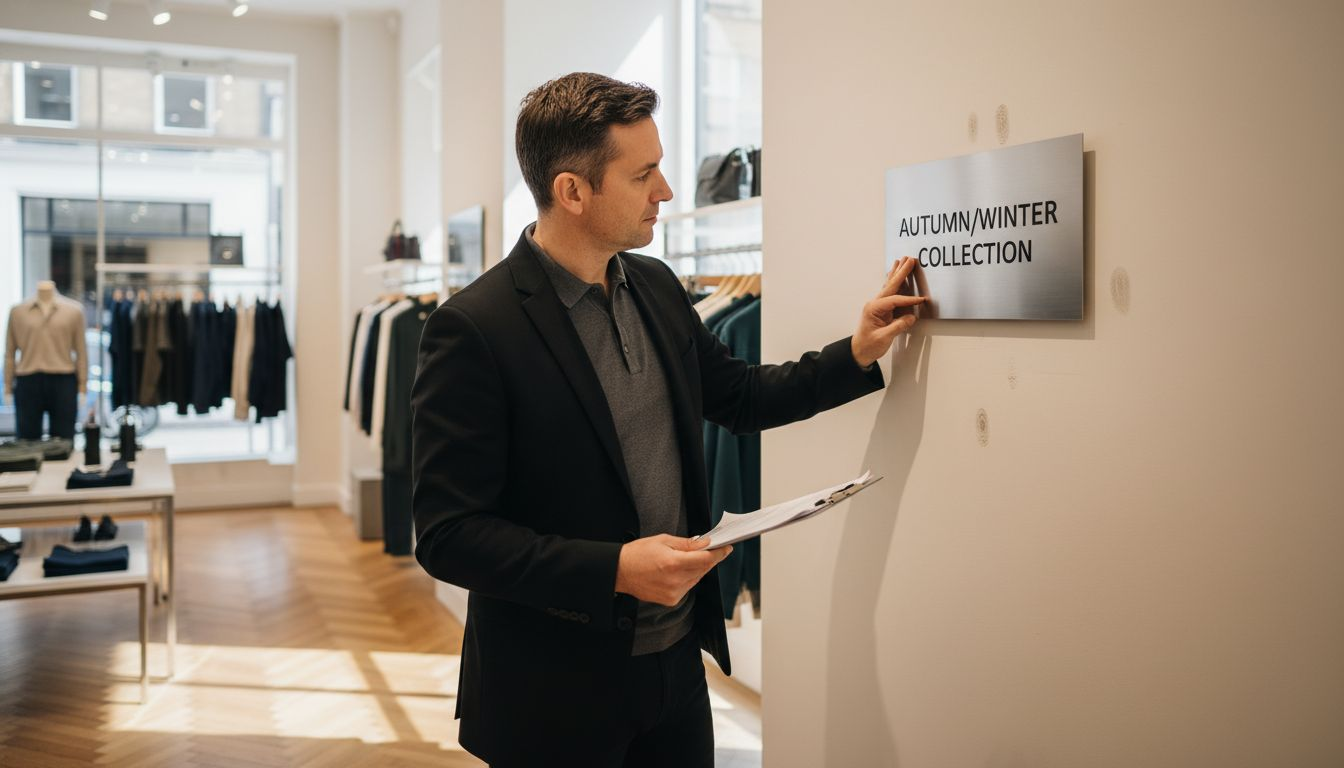
Understanding this relationship helps you make trade-offs that align with your retail strategy and brand positioning. A high-street fashion store needs both stunning visuals and long-lasting durability. A pop-up retailer might prioritise style over lifespan since the installation is temporary.
Durability: The Hidden Cost Factor
Durability determines your true cost per year, not just the upfront price. A premium material lasting 12 years costs significantly less annually than a budget option needing replacement every 2 years.
Consider these durability factors:
- UV exposure: Materials fade differently under constant sunlight
- Moisture resistance: British rain damages some materials faster than others
- Temperature fluctuation: Freezing and thawing cycles crack weaker materials
- Physical wear: High-traffic areas damage fragile surfaces
An aluminium sign on a high-street location might cost £3,000 but last 12 years. A Foamex sign costing £600 requires replacement every 2 years. Over a decade, the aluminium becomes the financially smarter choice.
Material durability isn’t an expense—it’s an investment that protects your brand identity across years and seasons.
Style: Creating Visual Impact
Visual presentation is your first brand impression. Acrylic delivers glossy elegance that catches light beautifully. Dibond offers a clean, contemporary look. Timber conveys warmth and authenticity.
Style considerations include:
- Finish quality: Matte, glossy, or brushed appearances communicate different brand personalities
- Colour vibrancy: Some materials hold colour intensity better than others
- Light interaction: Reflective materials create different visual effects
- Texture and depth: Raised lettering or dimensional finishes enhance perceived quality
Your material choice signals whether your brand is premium, accessible, playful, or serious before customers read a single word. When selecting signage materials strategically, align visual appearance with brand perception.
Balancing Durability and Style
The best material choice balances both factors for your specific retail context:
- High-street locations: Invest in premium materials (aluminium, Dibond) for durability and style
- Indoor displays: Acrylic or printed panels offer style without weather concerns
- Temporary installations: Foamex or Correx prioritise cost and design flexibility
- Seasonal campaigns: Budget materials work when you’re replacing signs regularly anyway
Your location determines which factor matters most. Outdoor signs must prioritise durability. Indoor displays can emphasise style over longevity.
High-quality materials maintain brand credibility through years of weather, foot traffic, and changing seasons.
Making the Right Trade-Off
Ask yourself: How long will this sign display your brand? If five years or more, invest in durability. If less than two years, prioritise visual impact and cost savings.
This decision framework prevents overspending on temporary installations and underspending on permanent brand fixtures. Your storefront fascia deserves premium materials. Your seasonal window display can use budget-friendly options.
Pro tip: Invest premium material budgets in permanent outdoor installations that represent your brand year-round, whilst using cost-effective materials for temporary interior displays that change seasonally or strategically.
Sustainability and Modern Options for 2026
Retail chains increasingly recognise that sustainable signage isn’t just an environmental responsibility—it’s a competitive advantage. Eco-conscious customers actively favour brands demonstrating genuine commitment to sustainability, making material choices matter beyond aesthetics and durability.
The signage industry has shifted dramatically. Modern sustainable options now deliver performance that matches traditional materials whilst reducing environmental impact and operational costs. This evolution makes choosing green alternatives straightforward for most retail settings.
Energy-Efficient Digital Signage
Sustainable digital signage reduces power consumption by up to 90% compared to older technologies. Modern LED displays use significantly less electricity whilst delivering brighter, clearer visuals that grab customer attention more effectively.
Digital signage advantages include:
- Lower energy costs month after month
- Adaptive content management that updates remotely
- Reduced maintenance requirements
- Longer operational lifespan than static alternatives
- Real-time campaign adjustments without physical replacement
These systems align perfectly with corporate net-zero ambitions. A retail chain running 50 digital displays reduces energy consumption dramatically, translating to measurable cost savings and carbon reduction targets.
Sustainable digital signage cuts power consumption by 90% whilst maintaining visual impact and brand presence.
Eco-Friendly Material Innovations
Recycled aluminium now dominates premium sustainable installations. It performs identically to virgin aluminium but reduces embodied carbon significantly. Manufacturers increasingly source post-consumer recycled content without quality compromises.
Bio-based acrylic and plant-derived materials are emerging alternatives for indoor displays. These materials maintain the glossy finishes customers expect whilst reducing reliance on petroleum-based plastics.
Sustainable material options:
- Recycled aluminium and composite materials
- Plant-derived acrylic alternatives
- Sustainably sourced timber with FSC certification
- Recyclable signage systems designed for end-of-life recovery
Your material supplier increasingly matters. Ask specifically about recycled content percentages, production emissions, and end-of-life recyclability before committing to materials.
Overview of sustainability options for retail signage in the UK market:
| Sustainable Material | Typical Use | Eco Credentials |
|---|---|---|
| Recycled Aluminium | Outdoor, fascia | Lower carbon footprint, recyclable |
| Plant-based Acrylic | Indoor signage | Renewable source, reduces plastic waste |
| FSC-Certified Timber | Natural shop fronts | Responsible forestry, biodegradable |
| LED Digital Displays | Dynamic messaging | Reduced power usage, longer lifespan |
Brand Credibility Through Sustainability
Customers notice when brands walk the sustainability walk. Transparent communication about eco-friendly signage materials strengthens brand perception, particularly among younger demographics who actively research corporate environmental practices.
Sustainability benefits extend beyond customer perception:
- Regulatory compliance with upcoming emissions targets
- Employee pride in working for environmentally responsible retailers
- Supply chain resilience as traditional materials face availability pressures
- Marketing ammunition highlighting genuine green initiatives
When customers see recycled aluminium signage or energy-efficient digital displays, they unconsciously register that your brand cares about environmental impact. This perception compounds across every customer interaction.
Making the 2026 Transition
Start by auditing your existing signage. Identify permanent installations where material upgrades to sustainable alternatives make financial and environmental sense. Prioritise high-visibility locations where eco-friendly choices communicate your brand values most effectively.
For new installations, request sustainable material options from your signage provider. Most manufacturers now offer recycled and eco-friendly alternatives at competitive pricing, particularly for high-volume orders across retail chains.
Pro tip: Prioritise sustainable material upgrades for permanent outdoor signage that’s visible daily, where eco-friendly choices deliver maximum brand perception benefits and environmental impact over years of operation.
Cost Factors and Common Pitfalls to Avoid
Signage budgets often blow past initial estimates because marketing and design managers underestimate hidden costs lurking beneath the material price tag. Installation complexity, regulatory approvals, and maintenance requirements add up quickly, transforming a £2,000 project into £5,000 reality.
Understanding these cost factors prevents budget surprises and helps you allocate resources strategically across multiple store locations. Many retailers waste money by cutting corners on initial quality, only to pay more replacing damaged signage within years.
Hidden Costs Most Retailers Miss
Reducing signage costs requires budgeting for hidden expenses like installation complexity, regulatory compliance, and ongoing maintenance. These often represent 40-60% of total project costs beyond the material itself.
Common hidden cost culprits:
- Installation access: High-street fascia installations require scaffolding or cherry pickers (£500-£2,000)
- Electrical work: Digital signage needs qualified electricians and circuit upgrades
- Planning permission: Some installations require local council approvals (2-8 week delays)
- Building regulations: Listed buildings or heritage areas demand specialist compliance
- Maintenance contracts: Ongoing cleaning and repairs prevent costly emergency replacements
- Design iterations: Multiple approval rounds inflate costs if not managed upfront
A “simple” shop window sign installation costing £1,500 in materials might require £1,200 in installation work. Budget accordingly before committing to projects.
Hidden costs often exceed material prices—plan for installation, compliance, and maintenance from the start.
The False Economy of Cheap Materials
Cutting material costs to save money often costs more long-term. Budget Foamex signage on a high-street location looks shabby within 18 months. Replacement labour costs more than premium materials would have cost initially.
False economy pitfalls:
- Cheap materials fade or crack quickly
- Frequent replacements multiply labour costs
- Poor-looking signage damages brand reputation
- Regulatory non-compliance triggers costly remediation
- Missed maintenance windows create emergency repair situations
A retailer spending £3,000 on quality aluminium signage avoids two £1,500 replacements within five years. The premium material becomes financially prudent, not extravagant.
Viewing Signage as Strategic Investment
Signage isn’t a one-time expense—it’s ongoing brand infrastructure. Budget annually for maintenance, touch-ups, and planned replacements. This prevents crisis-driven decisions and expensive emergency work.
Strategic investment considerations:
- Schedule maintenance during quieter trading periods
- Plan material upgrades before seasonal campaigns
- Batch multiple location installations for volume discounts
- Build contingency budgets (10-15%) for unexpected complexity
Retail chains with £50,000 annual signage budgets allocate roughly: 50% new installations, 30% maintenance, 15% compliance and approvals, 5% contingency. This framework prevents overspending on emergency repairs.
Planning for Cost Control
Start by quantifying all costs before signing contracts. Request itemised quotes breaking down materials, installation, compliance, and contingency separately. Challenge assumptions about what’s included and what costs extra.
Cost control strategies:
- Get three competitive quotes for all installations
- Clarify what constitutes “installation” (access equipment, electrical work, testing)
- Confirm regulatory requirements with local councils upfront
- Schedule work during low-traffic periods to avoid disruption premiums
- Establish maintenance schedules preventing emergency repairs
Ask your signage provider directly: What costs commonly surprise retailers? Their honest answer reveals industry pitfalls you can avoid.
Pro tip: Build signage budgets as annual allocations covering maintenance, compliance, and replacement—avoiding emergency replacements that cost 2-3 times more than planned investment.
Elevate Your Retail Brand with Expert Signage Material Choices
Choosing the right signage materials is crucial for creating a lasting retail brand presence that speaks of durability, style and sustainability. At Pik Pik POW! we understand the challenge of balancing premium finishes with budget and weather resilience while maintaining your brand credibility. Whether you need robust aluminium fascia to withstand British weather or elegant indoor acrylic signs to enhance your boutique atmosphere we deliver bespoke solutions tailored to your exact needs.
Discover how our precision manufacturing and design expertise can transform your retail environment with impactful, long-lasting signage that reflects your brand values. Visit Pik Pik POW! today and let us help you select the perfect materials that protect your investment and captivate your customers. Explore our full range of bespoke shopfront signage and innovative indoor and outdoor options now and make your brand stand out with confidence.
Frequently Asked Questions
How do signage materials affect customer perception of a retail brand?
Your choice of signage materials greatly influences customer perception. High-quality materials suggest professionalism and reliability, while worn or cheap-looking signage can damage your brand reputation.
What are some common types of signage materials and their impacts?
Common signage materials include aluminium, acrylic, timber, vinyl, and composite boards. Aluminium conveys modern professionalism, acrylic offers a contemporary look, timber evokes warmth, vinyl is cost-effective and versatile, while composite boards are durable for various weather conditions.
How should I choose signage materials based on my budget and needs?
Consider your target customer expectations, store location, architectural style, and how long you need the signage to last. Premium materials like Dibond and aluminium are suitable for long-term use, while budget options like Foamex and Correx are ideal for temporary displays.
What are the advantages of using sustainable signage materials?
Sustainable signage materials, such as recycled aluminium and plant-based acrylic, not only reduce environmental impact but also enhance brand credibility among eco-conscious customers. They signal your brand’s commitment to sustainability, which can positively affect customer loyalty.